Uncategorized

Dear Drunk Driver,

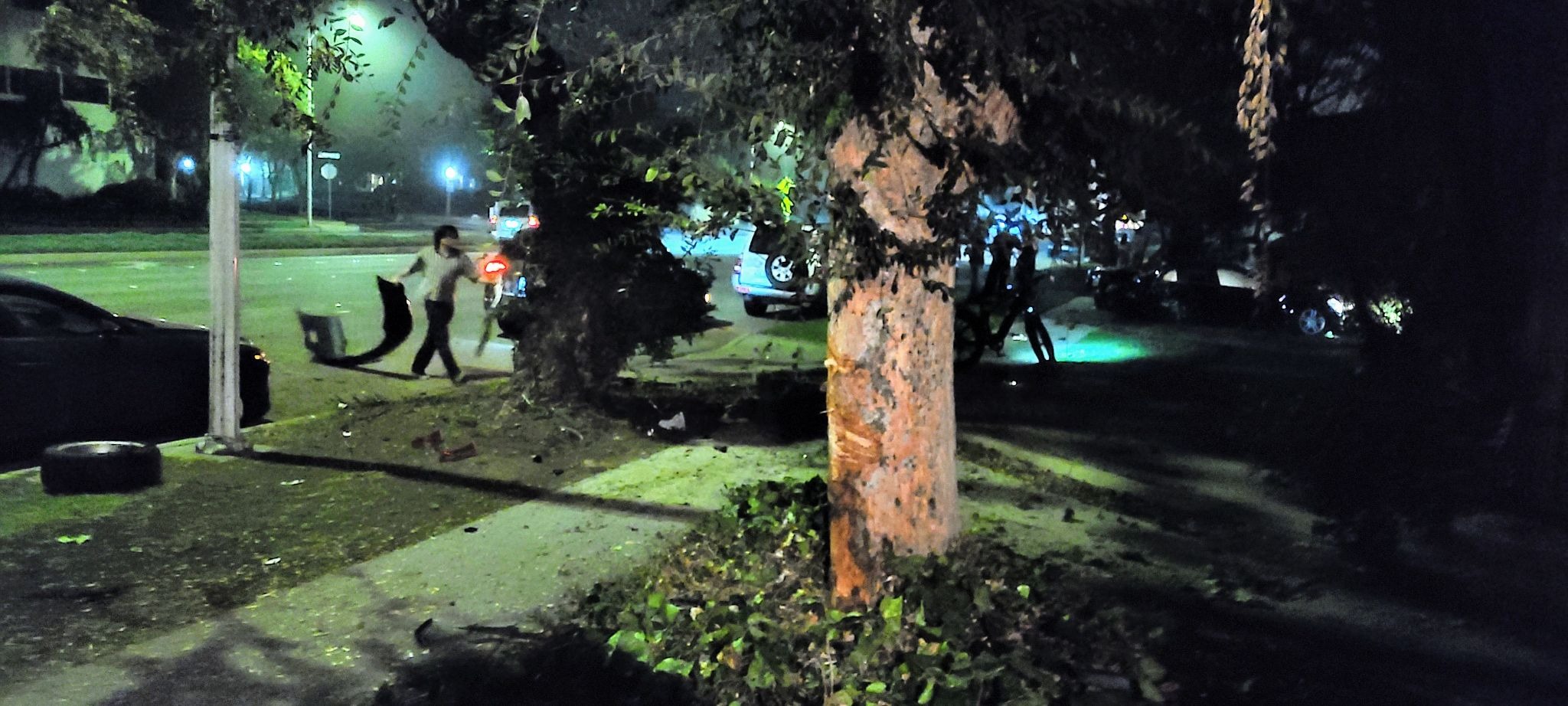
I am glad that you survived your crash on our property and able to walk away with what looked like not even a scratch. You could have died by hitting at least two light poles and about 4 trees. Yet your angels were watching over you. 

I understand this wasnโ€™t your first DUI and you have faced other law enforcement engagements. And yet, there was a little girlโ€™s backpack in your car – a child perhaps? I am glad you will have an opportunity to speak with her again.  

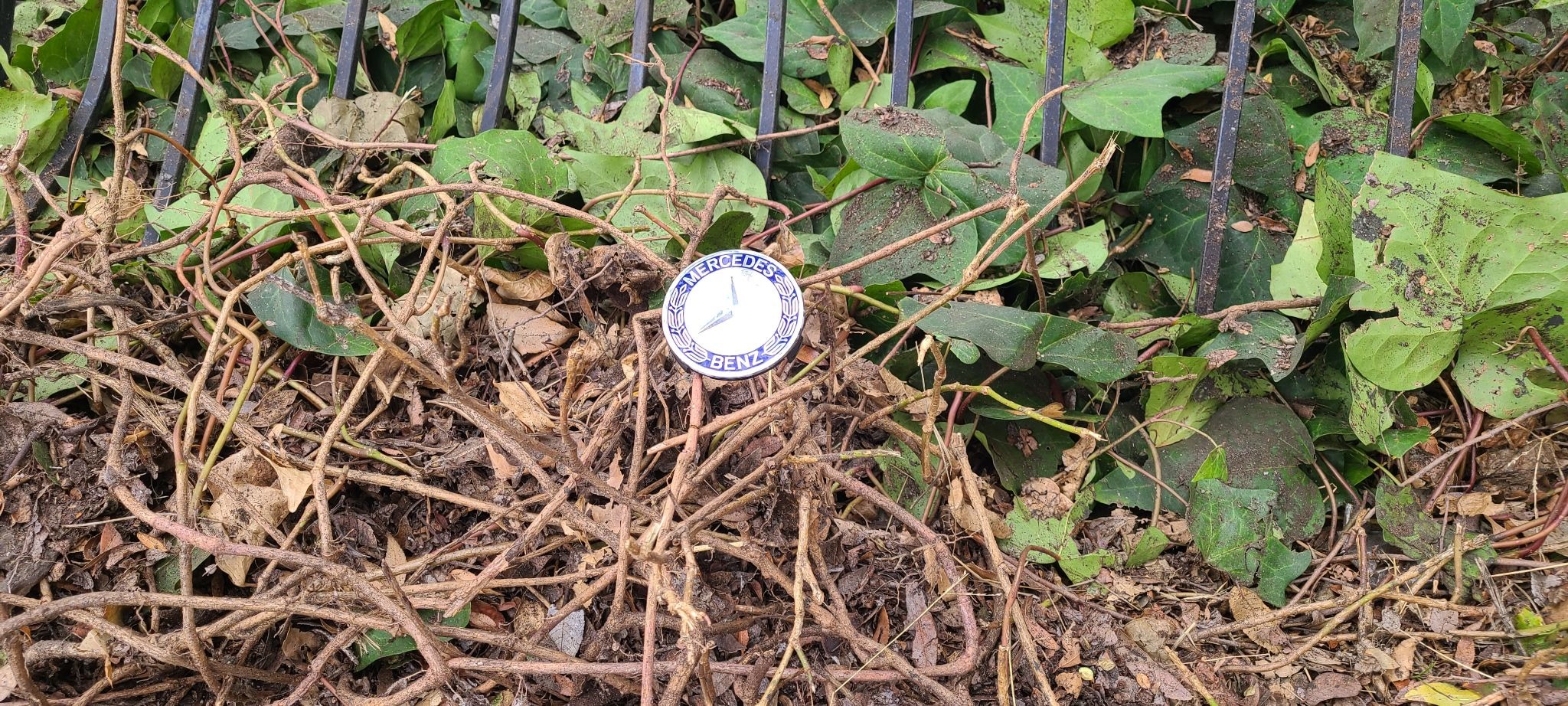
While my first reaction was shocked at the damage you caused to our property, I then boiled with anger when I realized how you could have driven into the studio office where my finance was working. I am grateful to our guardian angels for protecting us, him, our home, even you. At that moment, I felt you were selfish and careless. How could you drive? Why did people let you drive home? Why didn’t you call an Uber or Lyft? I initially didnโ€™t care if they locked you up, yet the human in me both felt sorry that you would have to spend the weekend in Twin Towers – a place no one should ever enter, and wondered if you had been there before, what difference would this time make?ย 

I obviously donโ€™t know you, and yet your presence will linger in our minds for the rest of our lives. You interrupted our sense of peace. I donโ€™t think people really reflect on the wake their actions leave – no judgement on the quality – just the fact that there is always residue of our spirits left behind.ย 

We have spent the weekend readjusting the energy to secure our house back to peace. Hugged the tree. Swept the debris. We arenโ€™t rich in money, but live modestly in careers that we love. A friend connected us to this place for healing – my partner from his pending divorce and my recovery from breast cancer and grief from the reality of never being able to have a child.ย 

Our home is our sanctuary – the place that nurtures our creativity, the place to rest, the place to prepare home-cooked meals that feed our soul, and a place where friends and family can visit for shelter, respite and safety or simple laughter.ย A place we hope to age together.

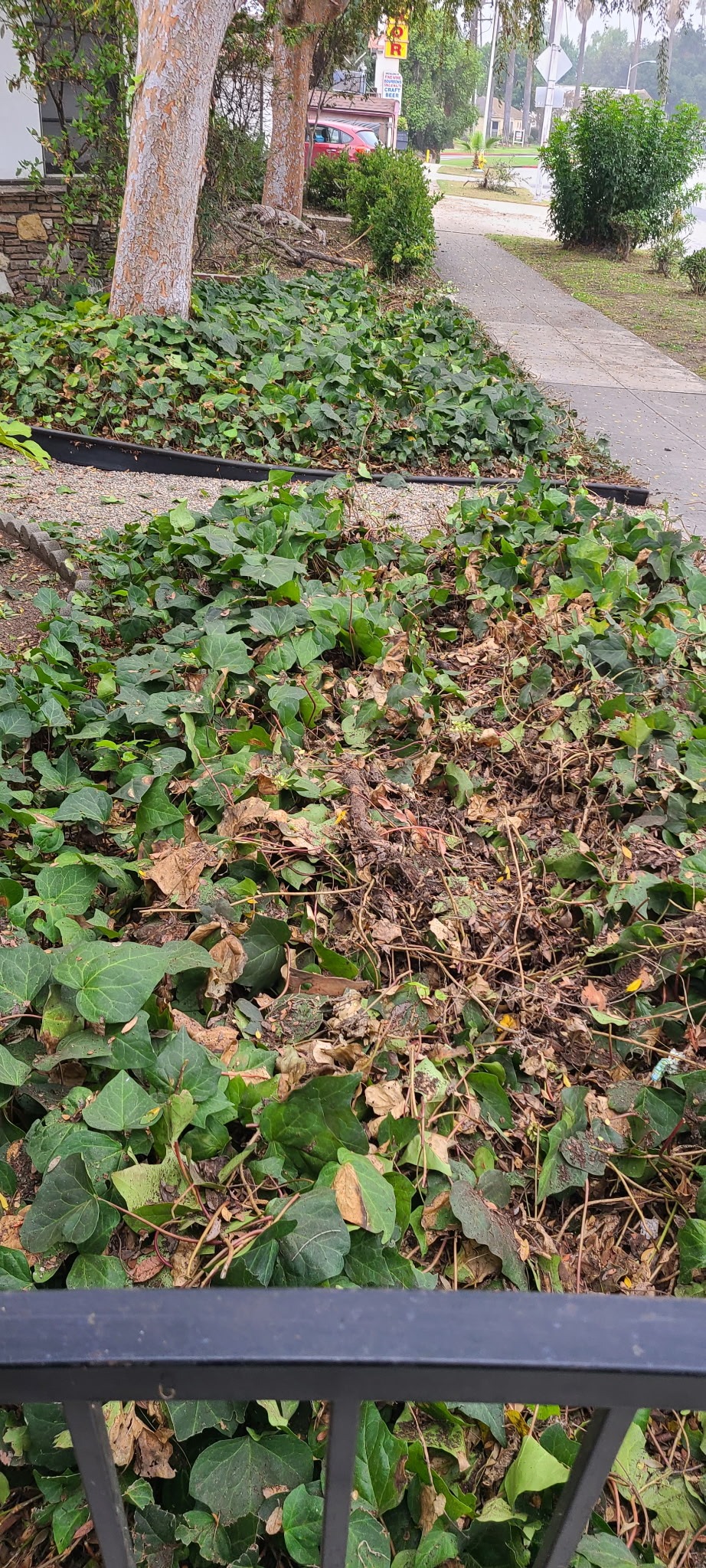
Now when I open my door and see our twisted railing, tire tracks across the ivy, metal pieces projected into the tree, and as I sweep up endless shards of glass and other debris – I feel the connection of our souls through the intersection of our paths early on a Sunday morning just after midnight. 

I canโ€™t imagine internal wounds or simple addiction to the alcoholic taste, I just hope you find a way to honor this chance to live another day, have another conversation with your daughter and loved-ones, and even more importantly love yourself to see many, many more days ahead.ย ย All of our actions impact our living environments, even when no one is hurt or killed, a call to all to remember our interconnectedness.

Drunk driving doesn’t just impact the driver. It impacts the entire community.

Uncategorized

Be Free

I hate meetings before 10:00 as they stifle my morning moments โ€“ yet at this risk of being late, I had to write these words that came so demanding in my twilight dreams and so clearly in between yoga poses.

Recalling Thomas Jeffersonโ€™s words of โ€œwhat to do with the Negro?โ€ in Notes on the State of Virginia I understand that there will always be a certain set number of people who since the kindling of the idea to create the perfect union where European paupers could become kings of their own plantations; and whom are so deeply wounded with moral injury of consciousness from kidnapping, trafficking, raping, killing, and enslaving fellow human beings โ€“ Biblical descendants of Ham- that their collective unconscious refuses to see todayโ€™s Black person in skins of a radiant hues from honey-milk to copper brown to royal purple and indigo black โ€“ as human.

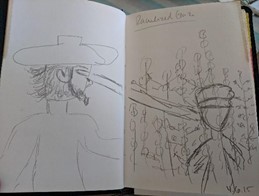
From a dream of the white gaze

To them I say โ€“ be free. Stop obsessing over our Blackness allowing us to live rent free in your mind, dreams, ambitions, and fears. Free yourselves and enjoy your all-inclusive segregated ecosystems of people who look like you โ€“ your neighborhoods, schools, restaurants, stores, travel clubs and golf courses, board rooms and state rooms. Live in your gated communities. Love who you love. Measure your own merit and achievement on your own standards of those who are like you. Collect your own taxes and profits from one another or not. Hire those whom you trust. Speak freely without fear of cancellation. Continue to vote for candidates who think like you and dare to be governed by them.

In short โ€“ live your life in the ideal world of your imagination without waiting for us to disappear. Take all of this and be free at the simple cost of forgetting that we exist and NEVER speaking of us again. No policies, practices, violent encounters, jujitsu words, selling/marketing, listening to our music nor adapting our dances and rhythms, praying to our gods, stealing our medicines, spying on our innovations, stealing or poisoning our lands, entering our communities, raping our women and children, incarcerating our men, or collecting income of any sorts from us.

Be you. Because thankfully, you are actually a minority. The rest of the world, including many who look like you, live in a higher consciousness of a world of abundance and divine intellect built on a web of belonging where everyone and being of the animal and natural world โ€“ have a contribution to make, and it is our interdependence โ€“ not just our diversity, that makes us stronger. Stop fighting. Stop jarring with words. Stop the violence. Simply Be. Be free.

Uncategorized

Safety Planning Under Authoritarianism

Economic crisis produced spiraling inflation, speculation, hoarding, and shortages of basic necessities. Industrial production dropped, unemployment increased, and sales of consumer goods shark, resulting in demonstrations and strikes that by July culminated in a forty-eight-hour general strike by over seven million workers throughout the country. In response, the congress passed legislation legitimizing repression of the opposition.

Love in a time of Hate – Liberation Psychology in Latin America by Nancy Caro Hollander โ€“ an interviewees awareness of the rise of the 1974 authoritarian regime in Argentina

How do we know if this moment is a complete collapse of American democracy as we know it? If we are in a transitionary era of authoritarianism? Dictatorship? A period of revenge by the grandsons of those who lost both the American Revolution and the Civil War determined to eliminate everyone who is not White, male, cis-gender, able, Christian, rich, conservative, and heterosexual?

I believe we are. I donโ€™t know the days ahead. The emergence through rupture and pain, can be rich, dark, nourished, and evolves from the collective visioning and manifestation of our cultural psyche. And, for peace of mind and grounding โ€“ here is my safety plan for the chaos. COVID was a dress rehearsal for these times. Are we ready?

This plan comes out of lessons learned from living through 9/11, COVID, and active shooter defense training; studying liberation psychologists like Franz Fanon, Nancy Caro Hollander, Orlando Bishop, Mary Watkins, and Ignacio Martรญn-Baล•o; and too many wildfire/earthquake warnings.

It is not exhausted and may it provide inspiration to you and your family to create your own plan:

1) Retain the will the live. No matter how tense areas of life may become, always, even force yourself to see yourself alive on the other side of the current situation. Many survivors of street violence, torture, mass-shootings, and social violence survived by believing that they would.

2) Know your surroundings at all times. Unsettling times brings out the worst in many people. Recall the junior high school yard where insecurities ranged high as people struggled to understand who they were as they sought to fit in. In these times, small runs to the coffee shop or gas station can become hostile with folks emboldened in white supremacy thinking, regardless of ethnicity and skin color. Make sure your cell phone is charged and you have a portable charged charger in case you need to call for help. Identify exits as soon as you enter a room and if cornered, what can be used as a weapon to block and/or protect yourself.

3) Manage anxiety. All of our emotions are high, even frayed. Yet, when we are hurting, fearful, angry, or however we are in our feelings โ€“ we can escalate violence and further threatened the wellbeing of ourselves or those we love. Practice meditations to control the breath or keep some sort of fidget toy or smooth stone in your pocket to play with to bring you back into your power stance โ€“ a place of coolness, steadfastness, nimbleness, and agility so that you can respond in the best way possible to whatever comes your way.

4) Limit watching the news/social media. Understand that the bombardment of activities, actions, โ€˜executive ordersโ€™ is a strategy to overwhelm the senses and push the psyche into a state of fear and confusion for social control. Resist the temptation to be plugged in at all times. This is a fear response that somehow you will miss something of importance or waiting on pins and needles for something evil to happen. Instead, pick a time of day to check in on the news and pin SM sites that bring you joy (e.g. your favorite YouTube video).

5) Strengthen trusted social bonds (e.g. family and friends). We need small, safe, supportive, and trusted circles of friends and colleagues to help us move through this moment. Even with suffering around โ€“ donโ€™t self-isolate or isolate others. Instead make time to check-in, text someone a funny Gif, host a small gathering on your front porch or back-yard scratch pad, enjoy the parks and botanical gardens, enjoy a coffee at a local coffee shop. In these spaces, honor your feelings, share, allow your tears to fall. At the end of the time together, collectively find a pathway towards hope and hold each other accountable.  

6) Fight for joy. Joy affirms our right to be. It is not happiness, it is the emotional substance that emerges after or risk of suffering that reminds us we are still alive. It could be – saying no to a meeting you do not have the emotional capacity to participate in, sleeping in, or dancing in the rain with a loved one.

7) Keep cash on hand. Keep at least 2 to 3 months of expenses in cash in a safe, accessible place. We never know if there will be disruptions in the banking system or you have to move around and it may not be safe to go to the bank. Also keep various money apps like CashApp, Venmo, Zelle too as not everyone will take cash at all times.  

8) Identify safe meeting places and have an evacuation plan. There may be events that make getting home delayed or hindered.  Have a few rendezvous places to go temporarily until safe to get back home. In L.A. โ€“ have someone in each direction. In addition to private homes, also think of parking lots, parks, parking lots, libraries, schools, etc.  Also, be sure to plan for Elders and others with limited mobility to help them evacuate. As the Eaton fire was starting to burn and we heard an increase in fire truck sirens, my partner and I made a concerted effort to go get his Mom. We were afraid that by time she was told to evacuate โ€“ it would be too congested to pick her up. Trusting your gut will go a long way.

9) Create a family communication plan. During emergencies and periods of system-level stress, we may experience more frequent power outages which knock out wi-fi and cordless phone systems. Have a back-up way to communicate including use of apps like Whats App, reddit, etc. Ensure you have a portable charger for cell phones and keep it charged. Have a transistor radio with plenty of batteries or solar charged. Also, create a distress word in case a loved one is detained and may not be able to go into details on their situation. Identify an advocate or lawyer who will take your call if needed. Identify someone out of state. Finally, make sure you and your loved ones tell each other where you are going and a reasonable time that you will be back. No more, “I’ll be right back,โ€ especially if curfews are put into place.

10) Identify/create safe food/water supplies and other infrastructure. During COVID when supply chains were interrupted โ€“ many people returned to gardening to create a stable food supply, even if just creating a potted porch garden or joining a local community garden. Keep bottled water and if safe and feasible, collect rain water. Also acquire a range of tools that can also be weaponized if needed, but mostly to be used to fill in the gap if government services collapse. Check flashlights, lanterns, and other items every six-months to update batteries.  

11) Keep your car gassed up and supplied. Rapid mobility is key is times of disasters. Keep your car gassed up with at least a half tank at all times. Keep a small suitcase in your trunk or rear that includes a change of clothes, underwear, sneakers, snacks, blanket, flashlight, and emergency kit. Have a battery charger and jumper cables and emergency utility tool that you can use to break windows and cut seatbelt in case you are in an accident and need to quickly evacuate the car.  

12) Protect and copy key documents and passwords. Make and keep copies of birth certificates, passports, DL and keep up with renewals.

13) Double down on reaffirming self. Re-read your favorite books that uplifted social identities important to you or a biography of someone you admire. Write, dance, paint, create music. Watch life-affirming movies. Cook your grandma’s favorite recipe. Find one action a day to reaffirm the divine human being of who you and/or your loved ones are.

14) Have faith – Dream. Be true to yourself. Try to stay present in healthy ways and not escape to denial. Be self-reflective with grace. Take time to imagine or reimagine the world you want for yourself and future generations. Remember nothing is permanent. Even rain is never the same.

May everyone be safe. Know you are loved. Time keeps going forward and we will to carry us to the other side.

Uncategorized

A Call Home

Thank you President Conroy, the Dominican Sisters, Gloria and my friend from junior high school – Jouslynn Griffin for inviting me to join you on your inaugural celebration of the African American family.

It is no accident that each of us are here to share this space in this moment. Look around you. Be aware of who else is in this environment. Some of us have been directly impacted by the recent wildfires, whereas at least everyone else knows someone. We have gathered in the safety of sanctuary to be present with one another. Others have come seeking an opportunity to advance their educational journeys in one of the finest institutions in the world and a safe place where girls and young adults can both be poured into with academic and spiritual enrichment, and explore who they are with affirmation and encouragement. Some of you may be current students and coming to learn, be seen, or be an ally to friends living their own Black experience. And then there are some of us that are just here to be. No matter why you are here, know you are in the right place. Together, we will write โ€œOurโ€ story โ€“ affirming our presence today and into the future.

You heard my bio โ€“ a collection of doing. But let me share who I am.

  • I am the daughter of the late Dora Aliese Jones Brou.
  • I am the granddaughter of the late Florence Orduna Hickerson and Aliese Lucille Robinson Jones.ย 
  • I am the great granddaughter of Callie Butler, Manwilla Jones, Pearl Tolbert, and Bessie Hill.ย 
  • I am the great, great granddaughter of Mary Looney Jones, Phoebe Briggs, Dora Durham Butler, Jennie Bell,ย  Velmer Saunders, Martha Howard, and Bruna Lopez.
  • I am the great, great, great granddaughter of Minerva Foster Looney, Tena Bell, Mary Strange, Nancy Houston,ย 
  • I am the great, great, great, great granddaughter of Roxanne Campbellย 

Many of these women in my lineage experienced periods of enslavement and survived, both protecting their families and adopting in families separated from their own – kinship. Others lived through the period of post-Reconstruction Jim Crow era, migrating away from our southern roots in Mississippi, Tennessee, and Kentucky, to find new opportunities of freedom, safety and economic mobility in the Midwestern cities of Chicago and Omaha, NE. My mom and those of her generation, later migrated west first to Pasadena, CA โ€“ many who stayed until retirement before relocating back south. Each generation in its own right participated in their own form of resilience and resistance to settle in a place called โ€œhomeโ€ an elusive concept of place where they could experience a sense of belonging and purpose.

As their living descendent, I too have experienced this longing for home, journeying from Pasadena to New Orleans, Pittsburgh, Philadelphia, and back to Los Angeles, and Pasadena adjacent in South Pas. The late bell hooks once stated that we are called home when we are ready to slow down and settle down. And it is not lost on me, that as soon as I moved in close proximity to the safest place in the world that I have known, after running away for so many years, it suddenly and violently erupts into transformative fires that call into question and reflection, the collective meaning of home, especially the meaning of home to Black folks and the Black family.

First, to begin, I would like to acknowledge the Chumash, Tataviam, and the Gabrielino-Tongva peoples who were the original caretakers of this land and all of their descendants who continue to thrive, work, preserve their culture, and continue to care for these lands today. It is an honor to be a guest in their homeland.

I would like to recognize and acknowledge the labor upon which our country, state, and institutions are built. We remember that our country was built on the labor of enslaved people who were kidnapped and brought to the US from the African continent and recognize the continued contribution of their survivors. We also acknowledge all immigrant and indigenous labor, including voluntary, involuntary, trafficked, forced, and undocumented peoples who contributed to the building of the country and continue to serve within our labor force. I particularly want to uplift our Indigenous communities โ€“ many who were involuntary forced into labor, and people of communities of Mexican, Central American, Fillipino, and Chinese descent who made significant contributions to the building of the state of California. I acknowledge labor inequities and the shared responsibility for combatting oppressive systems in our daily work.

Finally, I would like to open this gathering as a healing space that affirms the presence of each of you here today. In my spiritual tradition of Ifa, we use water to cleanse and cool spaces so that as we gather together, we can release the heavy thoughts on our mind and be present and supported in our convening. We say too that when coming to earth, water was asked to make sacrifice and it did rewarding it with the gift of creating a pathway forward wherever it flows. May our coming together, create a healing path of justice and transformation as we move forward in rebuilding our cities and nation and lives into one where all experience a sense of belonging.

Omi tutu โ€“ may water be cool

Ona tutu โ€“ may the road be cool

Ile tutu โ€“ may our homes be cool and peaceful

Emi tutu โ€“ may our spirits/hearts/emotions be cool

Ori tutu โ€“ may our heads be cool

Tutu laroye โ€“ may the crossroads where important decisions have to be made โ€“ be cool

Tutu egun โ€“ may those who came before us be cool and take pride in our efforts here on earth, as we continue to remember and uplift their righteous deeds performed when they were here.

Alashowada tutu โ€“ may our gathering be cool.

Ase โ€“ so it may be

Ase โ€“ so it may be

Ase โ€“ so it may be.

[ring bell]

Since the fires and even back in the early days of COVID โ€“ remembering the late Sci-fi and Afro-futurist writer Octavia Butler keeps emerging as her words have become guides to navigate these climate changing and politically divisive times. Elder Butler was a Pasadena resident and prolific writer who leveraged her historical knowing and future forecasting to create the Parable collection of stories and other series in the mid-90โ€™s (the last century) that have in many ways described todayโ€™s conditions. I thus would like to honor her contribution in these words that I share today.  

When I think about my ancestors, I often think about what were the vision, stories, and gifts they focused on during their time that they hoped their future generations would draw upon to thrive and know who we were outside of projections and limitations put upon us because of our skin color, gender, sexual orientation, where we were born, and socio-economic status. As I prepared for today, what came up for me were themes of dreaming, community/kinship, joy, and home.

Letโ€™s explore these themes.

Dreaming โ€“

We must dare to dream. In honest conversation among ourselves as Black folks, although TicToks on manifestation and Black Girl Magic are trending, we are skeptical about dreaming and receiving the material results of our thoughts based on a history of having what we worked for โ€“ suddenly taken away. Maybe we have been dreaming of a new car to finally purchase one and it is stolen; maybe we landed a great summer job or internship to suddenly be laid-off; or maybe we finally acquired our parentโ€™s home or were able to purchase a home of our own from the wealth they created throughout their lives – to have it suddenly destroyed in an unexpected wildfire โ€“ such as what has happened to so many.

We cannot let adversity stop up from dreaming. Dreaming is an act of writing ourselves into the future in the life we want and deserve. For Octavia Butler, writing was a process of harnessing the depths of the collective imagination, and encrypting the vision she saw onto paper as security for existence into the future so that we could be here today. I think of this act dreaming, imagining, and writing as creating a passport for the future.

Yes, we may be separated from the material manifestation of our dreams, however we should not stop dreaming out of fear, but instead honor the powerful ability to see something in our mindโ€™s eye โ€“ often as a beacon during desperate times โ€“ and bring it to life. If you have done it once, you can do it again.

Community:

In her book, Parable of the Talents, Butler wrote about her imagined community of Earth Seed: Our gatherings, aside from weddings, funerals, welcomings, or holiday celebration, are discussions. Theyโ€™re problem-solving session, theyโ€™re times of planning, healing, learning, creating, times of focusing, and reshaping ourselves.

By show of hands, has anyone in the room ever attended a family reunion or a high school or college homecoming? National or regional Divine 9 convention? Maybe a journey back to the Motherland or church summer revival? These are all forms of gathering.

Why do we participate? Gatherings are an important aspect of Black culture that hold community together and create a sense of belonging. Many of the examples we shared happened prior to cell phones and emails โ€“ people from across the South and other regions โ€“ knew when to come together based on the cycles we were in such as harvest or planting times or new and full moons, solstices, etc.

Gatherings create safe places for Black folks to come together and be seen again (meaning we have survived and are still alive); a place to share news on kinfolks and loved ones; express culture to keep knowledge and healthy traditions going; to dance and take up space in a world that wants to confine us.

Gatherings usually take place in spaces that hold meaning. I think about the Annual Turkey Tussle tradition that takes place at the Rose Bowl between Pasadena High School (my alma mater) and John Muir High School. Although a football showdown between the two schools, students and alumni and community members from all the local schools also attend and it is a homecoming for many who share memories of school, place, special events (prom and homecoming), and at a deeper level โ€“ people who share certain values, belief, mannerisms, language, etc โ€“ that have been informed by their experience.

On this campus, gatherings are the special rituals and ceremonies that build community and a shared identity. Rather a special welcoming for incoming students to special recognition upon graduating to mark the completion of this part of your journey and wish you well as you move on.

Joy

While the devastation from the fires is beyond comprehension, the response from the community to uplift those who have lost everything, has been joyful โ€“ a testament that joy comes from suffering โ€“ a protective response to sustain hope and purpose โ€“ driving forces to thrive in life.

At the same time, I want to clarify that joyfulness is not a substitution for trauma and pain, but a coping mechanism to get through it. Since the period of slavery, how we have responded in resistance to acts of dehumanization and subjugation, have been misappropriated to beliefs that we do not feel pain or suffer from burdensome emotions like other cultural groups. This is untrue and has led to health disparities experienced today. Death, loss, grief, depression, anger, injury, fear, etc. impact us on par as others, yet it is the intergenerational memory of the frequency of sudden loss and displacement that is embedded within our DNA โ€“ imprinted from living in a racial hierarchical world based on white supremacy โ€“ that we prepare and respond to tragedies with joy. We sing, we dance, we gather, we write, we laugh, we tell jokes, we mimic, we give back and take care of one another โ€“ at times, even when we ourselves have lost it all.

How many of you have participated in a mutual aid effort to help other during this time? Volunteering at a local relief center, donating goods, transporting goods to people in need, sheltering kinfolks who had to evacuate, donating to a GoFundMe, cooking a meal, collecting items for hygiene packages, etc. You are a living example of joy.

This goodness of the heart compliments the pain and this expression of love moves like water retaining a sense of connection and ties to place โ€“ these gestures can make a place feel like home.

Home

I have worked in the houselessness sector for nearly 30 years. I have transitioned from using the term homelessness to houselessness, because even in witnessing some of the most desperate situations โ€“ I have come to learn that like the concept of hope, we can never take the meaning of home away from someone โ€“ as that is often the dream they are holding onto that wakes them up each day and gives them something to strive towards โ€“ creates an act of motion โ€“ โ€œgoing homeโ€, โ€œbeing home,โ€ โ€œlooking for home,โ€ โ€œsettling into home,โ€ โ€œrebuilding home.โ€

As I mentioned in the opening โ€“ it took me the journey of the first half of life to find home. Similarly, to a heroineโ€™s journey โ€“ I thought โ€œout thereโ€ would be better than where I was. I was someone who could feel alone in a crowded room โ€“ accepted, but not quite feeling like I belonged. Has anyone else ever had that feeling?

Well, it took some maturity within me to fully define what home even meant. This included a process of reading, research, and listening to stories from the houselessness sector. Through these experiences, I came to understand home as a framework of aligned values, a place where all of me was affirmed and I felt enough, where I felt safe and protected, where expressing myself came natural and was not โ€˜policedโ€™, and where I could offer and receive love. Through this new awareness of what home could be โ€“ I found it through repairing relationships with my family; writing in an authentic voice; reconnecting with my high school sweetheart; and even being gifted a beautiful cottage home that not only supports me, but that somehow expands to allow us to temporarily shelter others in need.  

When I talk to family members, my partner, and friends on the meaning of Dena (Altadena and Pasadena) as home I often hear their stories that formed this region of the world as the place where the dreams of Black folks manifested into a safe pocket where they could experience safety, validation, financial security, wellbeing, and belonging.  It has its shadows too, but the good far outweighs the stress of the โ€œismsโ€ found in other parts of the region, state, nation, and world.

Exercise:

But this is my story. While I hope it may have inspired some thoughts โ€“ I want to know, what is your story? What does home mean to you?

Each of you should have an index card or two and a writing utensil. I think there is something magic about the act of writing, however if typing into your phone is easier โ€“ please do so by all means.

I am going to guide you through a series of questions with pauses in between so you can write what comes up for you, then we will take 5 minutes pairing up with a neighbor to share a few of your thoughts on the meaning of home.

1) Think of a time that you felt a sense of belonging. What were the cues in the physical environment that made you feel as if you belonged? E.g. sounds, sites, people, scents, physical comfort.

2) How did it feel to belong? What were the emotions or physiological responses (warmth, smiling, high/low heart rate)?

3) Now reflect on the concept of home. What does home mean to you?

4) Are there any overlaps between having a sense of belonging and home?

5) What do you need to carry the sentiment of belonging and home so that anywhere you go, you can find your welcoming place?  

  • Now, turn to a neighbor.
  • Introduce yourself and something about you โ€“ maybe โ€“ what brought you here today.
  • One person will take up to 2 minutes to share what came up for you, and the other person will listen without interruption. Then switch. You will have about 5 to 6 minutes total.
  • If we have time, I will then take a few examples from the audience.

Closing

In closing, I thank Flintridge Sacred Heart for hosting this space to reflect on the resiliency of the African American family and to share learnings from the history of our resilience to help us move through these times and the unknown ahead.

I hope that if this place is or becomes your place of residence, if you have recently repopulated your house after the fires, or you are in transition between here and there, until your house can be rebuilt โ€“ that you hold onto this meaning of home as a connecting strength gifted by the universe. That the uncomfortability of being in a new environment or the disruption of physical space does not hinder your sense of belonging or impede any other part of your identity. Find your people, your place, your song, your dance, your re-membering of who you are.

The specific key take-aways that I want you to remember are:

1) Dream yourself into the future that you imagine

2) Continue to gather in places of meaning where you are affirmed and are able to affirm others.

3) Lead with joy to compliment feelings of anger, grief, and loss, etc.

4) Find โ€œhomeโ€ for you and nurture the sacredness in its meaning so that the universe can meet you with love, validation, affirmation, connection and joy.

Close out with this affirmation from Octaviaโ€™s Parable of the Talents:

We have lived before

We will live again

We will be silk,

Stone,

Mind,

Star,

We will be scattered,

Gathered,

Molded,

Probed,

We will live,

And we will serve life.

We will shape God

And God will shape us

Again,

Always again,

Forever more.

God is change

And in the end

God prevails.

Thank you!

Uncategorized

Remarks: SPA 6 Vigil

Thank you, Reba, Shannon, and members of the SPA 6 coalition, for the invitation to speak today as we honor our fallen unhoused siblings and make meaning of their lives through dialogue on solutions to this ongoing and growing crisis.

Nationally, there are many memorial vigils happening in correlation with the annual solstice โ€“ the longest night of the year. For those of us who practice earth-based traditions in observance of the many natural cycles –  this is a quiet time of stillness โ€“ quieting the mind to hear our own internal compasses and words of wisdom from the divine.

And as I prepare for this yearโ€™s Solstice, I have been noticing the many distractions that surface in my mind’s eye. More than other times, I find myself spending a considerable amount of energy protecting my space โ€“ my mental, physical, and spiritual composition that makes me, me. Some of these distractions are internal (e.g., does the laundry need to be done? Does anyone else see those dust bunnies behind the bookcase? Maybe I should reorganize my closet? ย Should I attend that zoom meeting although my body hurts and I am tired?); and some distractions are external as the world around me counters the energy of this Northern hemisphere season of darkness to โ€œpush throughโ€ as if sitting still will erase oneโ€™s presence and all of their previous contributions from the collective memory.

As a test โ€“ count how many emails received after Thanksgiving through the New Year – are asking you to do something (e.g.; give, act, attend, host, join) compared to supporting your being where one simply says โ€“ thinking of you and holding thoughts for your greatest wellbeing.

Why is slowing down important? Because when we do not take time to pause, reflect, turn off the ego โ€“ we may push forward harm โ€“ to ourselves, to those seeking to support us, to those we seek to serve. It is painful when I enter conversations with siblings navigating homelessness services who speak of the trauma caused not from being on the streets โ€“ but the rules, demands, treatment, tone, and undelivered promises of our homeless response system. These are the harms that we unintentionally create when we do not take the time to care for ourselves. The old adage โ€“ hurt people hurt people โ€“ is true.

When we โ€“ the policymakers, service providers, system navigators, advocates, funders, enforcers, responders, peers – fail to pause, we often enter into auto-pilot where we lost our creative spark or joy in the work; or we may focus on things that we think we control like numbers (e.g.; How many attended? How many served? How many donated? How many housed? How many passed?) โ€“ numbing the complexity and frustrations of the crisis we are seeking to address and creating a dehumanizing effect on ourselves, the stories behind the numbers we share, and the people in need of the support we seek to offer. How many times have we heard โ€“ that [fill in the blank] event, agency, person โ€“ made me feel like a number, an act violating potential trust.

The late Paulo Freire stated, โ€œfunctionally, oppression is domesticating. To no longer be prey to its force, one must emerge from it and turn upon it. This can be done only by means of the praxis: reflection and action upon the world in order to transform it.โ€

Through the racial reckoning of 2020 โ€“ we collectively learned about white supremacy culture and the internalization of production as a means of relevance and being seen; Privileging โ€œdoingโ€ over โ€œbeing.โ€

And yet in more indigenous practices โ€“ especially in traditional Black culture โ€“ we understand that time, relationship building, dialogue, collaboration, stillness and reflection create life affirming and sustainable pathways towards solutions that best uplift and protect our communities. Over my life, I have spent time in the South โ€“ and even later when I lived in Philadelphia โ€“ it was not uncommon to see older aunties and uncles sitting on the porch โ€“ quiet, saying only a few words or raised hand to passer-byers. Or how many people have an older adult or old soul in their life who hums? As they work, tapping into the vibrational knowing of sound.

What wisdom came to them through those moments of reflection? How was it passed on to our benefit? Growing up, chopping up something โ€“ celery, onion, bell peppers โ€“ around the kitchen table listening to the women in my family and occasional male relative passing through to sample the cooking โ€“ is how I learned so much about our family history and approaches to life through stories. Now we have book clubs and FB groups and line dance classes and I guess TicTok (for now) where life hacks are shared. But how do we do we listen with intention and not how we will take the moment to speak? How can we age cultivating the quality of wisdom of those who came before us and out of the mouths of babes (before society conforms them), especially as we prepare to enter a time of unpredictable change and divisiveness?

Let me be clear โ€“ my message on reflection is not an excuse to delay urgency. We are in a growing and deepening human crisis. It is more the quiet before a battle โ€“ where before you suit up in armored clothing โ€“ we take time to rest and clear our minds, understand our mission, release the messaging from the critic inside our heads that we are not enough, or we are damaged. We dream and see ourselves in the world that we are fighting for โ€“ and yes โ€“ dreaming requires safety โ€“ but even if it is in the crack of a 5-minute walk from here to there โ€“ we must dream to sustain the vibrancy of our souls and the liberations of our placement on this earth. If a person does not carry their own dreams โ€“ they are susceptible to being the slave of others who project their desires upon them. We are free.

In conclusion – I ask that we move forward in this gathering with the confidence that we hold the knowledge on ending homelessness, especially in SPA 6. And tomorrow โ€“with the oncoming of Measure A and other resources โ€“ we will advocate for funding for our solutions. But on today, I challenge you to look in the proverbial mirror and ask yourself the following questions:

  • How have I mourned the collective grief from witnessing human suffering?
  • Where does the wound of homelessness sit within me?
  • What steps have I taken to heal this wound?
  • Who am I surrounded by when even through the toughest of circumstances โ€“I hear their name and feel joy? safe? seen?
  • What are the unique gifts, talents, and contributions that I bring to the work?
  • What is one action step that I can take to lean into stillness in this darkened season? (e.g. bake cookies, write notes in Christmas cards, go for a walk, sit in a park, make dinner with a friend you have been wanting to catch up with, sleep in)

Up to five to six siblings who experienced houselessness have transitioned from this life each day this year, representing nearly 2500 people in Los Angeles alone. In my tradition of Ifรก, we call them Ancestors. May we uplift their names โ€“ even if we do not know them. May we honor their time on this earth โ€“ by committing to homelessness no more. May we reflect on our own lives and live in such a way that others will remember us and speak our name when we are here no longer.

12/19/24

Uncategorized

Liberation of the Feminine

The Church imprisoned the Queen of Angels in a glass display case, and when the people showered her with more flowers than the Pope โ€“ flowers grown out of the bones of Ancestors erased, they took the Queen away and made a seating area for their wanderers seeking redemption from living.

What is the path towards liberation? Specifically, the freedom of sovereignty for the womanโ€™s body in a female world managed by ego-fed men and women with beards?

A breakthrough of harden molds shaped over time by the waves of social thought and commentary – out maneuvering colonial guards, wardens and death sentences to arise and be.

It is recognition of Self as the source of water sought in the barren desert riverbeds experienced on walks across the molten glass-shaped sands sweeping the edges of here and there; life and death; birth and renewal; love and loss seeking the courageous feel of the heart.

With open arms as wide as the bank-full, I float on the gentle surface of rushing waters โ€“ taking up space as broad as I can imagine โ€“ letting my head fall under the surface to deafen the cacophony of demands to settle in peace so still I hear the heartbeat of me and all of my feminine bloodstream relations; Feeling the water wash away the residue of words, thoughts, memories, experiences ~ anchored in my lady parts manifesting discomfort and dis-ease.

Cleansed so pure not even the Black widowโ€™s bite can paralyze the acting of late-life desires entitled after years of sacrifice. Freeing regrets crystalized in the womb โ€“ delivering them back into the earth to become compost and fertilized dreams birthed as Ancestors returned in the future.

I am free. I am sovereign. I am beauty. I am love. I am creating my own ethereal path of liberation.

Uncategorized

Puppy Love Post 50

Puppy love: A gift of a little frog from a boy school mate when I was around 8. Scared to take it on the school bus, I hid it in an empty plastic juice bottle so the driver would not see it. It died and I donโ€™t remember if the boy spoke to me again.  

But this love is seasoned; real love that stirs my womb. This man is a man and his love is thick like a velvety band around my heart with the utmost confidence and protection. 

This is primordial love. One from beyond the stars and centered in Ancestral dust. One that is patient and understanding. One that survives apart knowing he is on his own life mission, as am I, to experience and gain wisdom; a separation of only seconds on the clock of eternity. 

Yet, without doubt, the moment comes within our respected lifetimes, when internalized clocks of longing are activated by fated chaps and the magnetize attraction of celestial bonds calls me to my lover, reunited to finish out the current iteration of our earthly journey together so that we can return home together in time.

Hearts broken; ideations smashed; streets filled with shock and disbelief from our current friends and lovers; yet living without him leaves me with a dampened spark to live and the desire to return home before it is time –  ablazed, yearning to be back with source, my divine mate with whom I keep finding and finding again in each lifetime, even after promises to enjoy our current earthly experience without each other. Perhaps this time, I’ve been gone too long, or has he?

And yet even with this cosmological knowledge, being human brings unfolded emotions of love and pain. How then do I hold a porous love returned? One bruised by past and recent hurts that is in itself in search of love as a topical to heal the pain.

I kiss its tears and hold him down as we share the details of our journey. I apologize for not returning sooner, although I tried. I promise to hold on to his words of ‘I will never leave you again.’ And I open my heart for all the possibilities and line it with honey to absorb the upcoming unexpected jarbs of life, so my soul can continue to love him and receive his love that has restored my joy. 

This is the story of the Konjourman and Magician- a king and a queen – primordial lovers who arise out of the desert sands to be. To be. To be the embodiment of everlasting love. 

Uncategorized

Holy Woman

Who is the Holy Woman standing at the edge of society, hands over her heart, eyes cast down, taking up space with her presence, yet invisible to people walking by. Tattered, faded robes draped by dreaded graying hair, bundled in strength, hiding-nurturing secret medicines for humankind.

Oh Great Holy One, you who feel the pain of community with each inhale breath, how many times have you journeyed to earth? How many scars paint your body – souvenirs of your many transits โ€“ you who seeks beauty in discarded people and places? Your heart aches but it does not bleed.

Illuminated One, who hovers over the earthen lands, divinely connected to the greater mysteries of the One. Worldly translator of roseal wisdom from the Divine, receiving in modification to prevent your heart from burning out like a shooting star by the magnificence of the Word and devoted to sharing it across the land in common language of food, dance, poetry, and song.

Mystical One, primordial wisdom incarnated in feminine form. Loving, joyful, seductively attracting humankind with sashaying hips, golden breasts full of milk to nourish, accented steps with brass bells mined from the Motherland; cenote eyes drawing dear ones in; intoxicating voice with your humming tonal vibration.

Strange One who rests on the fiery desert floor of burning sand during the high-noon sun, basking in the pure oasis of waters at the base of the opulent palm tree garden; re-awakening at night to soar with your blackened gold wings, observing household transgressions thought to be hidden by the darken skies void of the moon.

Beloved One, the rounded womb sanctuary who is present at creation when the embryo transforms into life and shepherds its safe passage into world, should it decide to stay; and who too is present at death to direct the spirit into the worlds of its belief, while receiving the body back into the earth so it may compost to nourish crops and consumed, cannibalized, never forgotten through the metabolic connection. ย 

Strong One, who resists and devours manโ€™s many attempts to concretize you back into the earth, forcing forgetting among your daughter through martyrs of death, submission of their sovereign bodies by rape and execution, and internalization of patriarchy that swindles mothers and fathers into selling their blood to street markets in exchange for cheap trinkets masked as wealth.

Devotional One, untouchable to mainstream society – cast aside for acts that happened to you in the shadowed allies of world, yet whose prayers are amplified by your innocence of heart and unwavering belief, an example that Godโ€™s loving grace illuminates from our own inner temples without judgement.

Oh Holy One, Wanderer, Chosen Woman, Soul of strength and purpose who knows your worth more than the enlightened ones dressed in fine clothes and who foolishly seek to regulate the freedoms of world and judge Divine law.

Incarnation of Love, sweetness dropping from your soiled garments perfuming the space we share with a floral breeze, Oh how I wish I could be like thee; humble, strong, courageous, devotional, and thoughtful.

Holy Woman Mystic, please open my eyes so I can see you when you are at the cityโ€™s edge. Open my womb so I can recreate you to multiply your efforts in bringing balance back to the world. Open my heart so I can feel your essence and believe again in love. ย 

a.d.orduna 03/20/23ย 

Uncategorized

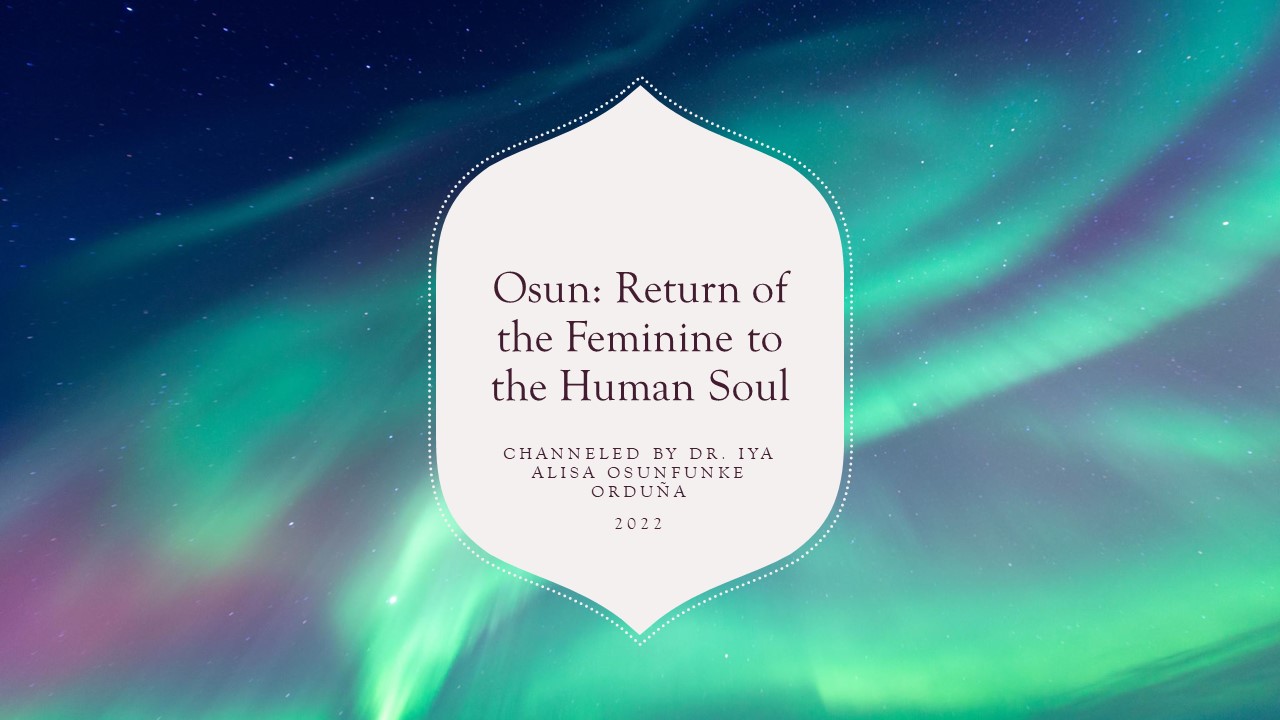
Osun: Return of the Feminine to the Human Soul (published Oct. 12, 2022)

https://www.flipsnack.com/florencealiesenetwork/osun-whispering-of-wisdom-from-the-waters/full-view.html

Through my magic golden mirror, in the future I look back to the time when Obaluaye walked the earth and the women in the village of women returned the feminine back to human consciousness.

Do you remember?

Since crossing the seas, the sacred body of Olokun โ€“ the god.goddess of psyche and mystery in the Yoruba tradition, humans have evolved with amnesia of the sacred feminine inside of them โ€“ tilting the universe out of balance.

Halt โ€“ says the cosmic policeman. Esu. The one who sits at the top of the Babalawoโ€™s Opon โ€“ the crossroads between heaven and earth; past and future. The one who sees it all and reports to Olodumare, the Supreme being.

Hearing the whispers of Ogboni, the universal court of justice, Esu conjures up the rainbow warrior tribe of Oya โ€“ the shemale who wears a beard and dances in a skirt weaved of rainbow scarves and bones as she simultaneously dances across the landscapes of earth and multiple universes bringing about sudden and transformative change. 

Esu commands Oya and her rainbow warriors to carry the sunโ€™s breath in the fabric of their mighty winds stirring the sands carpeting the earthโ€™s desert floors. On contact, their kiss of cosmic breath vibrates into the cracked, dry, droughted earth, sending tremors into the underlying fault lines, causing lands to quake and rivers to overflow and flood.

Birds pause and fly upwards, returning to Orun- heaven; animals seep into the velvet curtain of the deep forests and oceans; sacred plants immolate- catch themselves on fire – to protect their seeds for future generations; and great leaders fall into a deep sleep leaving only their footprints as evidence of their time on earth.

The cacophony of the chaos reaches down into the bellows of the earthโ€™s soul where Baba- the one who spreads the pox – lies sleeping bored with social isolation and banished by humanโ€™s fears of his power, medicine, and being.

Jostled from his slumber by the desperate cry of the universe, Baba grabs his staff and palm fronds and manifests into humankind, hoping to awaken consciousness in the hearts and minds of humans destroying earth with hunger, greed, rape, exploited labor and power, pollution, homelessness – led by selfish leaders with broken character- violating the pact of coexistence between humans and Onile- Mother Earth.

The King of Earth was enraged and prepared to defend his Mother, Protector, and our sacred Orisa.  

Oya rides with Baba, applying her winds to spread medicine hidden in his palm fronds that dispersed into the air like dandelions seeds as he danced. Babaโ€™s medicinal motion intoxicates every community he enters, shapeshifting arun โ€“ the ajogun of illness – into airborne structures that lodged into life sustaining passageways blocking the flow of air to lungs and clotting bloodstreams, commanding attention by stopping humans from breathing.

The pounding of grave digging for burials of bodies piling returning to the womb of earth, weakened the psychic membrane suppressing historical secrets of inequities, rising them to the surface like festering wounds needing to be healed. Historical archetypal energies of racism and patriarchy embolden in the chaos, seek to resist the change Baba and Oya are bringing to the world.

Tensions rupture in the climax of George Floydโ€™s cry for his mother as he labored through his last breaths under the knee of one possessed with past karma circulating since the first colonial ship. Georgeโ€™s cry vibrates across the universe. As his Mother comes forward from the ancestral realm to grab his hand and carry him home, women in the village of women too heard his call and ran to the river to see what was happening down below.

The women in the village of women ran away many moons ago as an act of defiance to the changing traditions that switched the energy of the world from feminine to masculine. They are women warriors โ€“ who escaped death on earth and in their isolation became keepers of the traditions and protectors of the future. They fought men who tried to enter their kingdom until the men found ways to exist without them and stopped trying to bring them home. Through time they forgot about earth and without their energy feeding the soul, their legacies on earth forgot them too. That is until dreams of remembrance of another way, began seeping into consciousness as their off-springs sought to navigate through these turbulent times through the calling of their ancestors.  

With guilt and fear, the women of the village of women looked deep into the river and saw the havoc on earth and saw Mother earthโ€™s womb filling up with bodies piling up on top of decaying trash.

And then they saw him โ€“ the king – Obabaluaye โ€“ walking the earth, shaking his palm fronds โ€“ with illness and death falling in his wake.

Where is Osun they cried? Where is Yeye – Mother? Had she left earth again? remembering the time Osun left earth in Odu Ose-Tura, when as the only female irunmole she was ignored and disrespected so she left and earth began to die, only agreeing to return when she gave birth to the male energy of Esu.

On cue Osun appears out of the water with a cadre of women, dressed in white. Women who had been praying since the first breath of the sun touched the earth. Women who held the faith of Osunโ€™s love and protection of humanity. Women like Iyalorixa Mainha da Bahia, a daughter of Oxum and mother to many communities the world over โ€“ for whom when the world leaned into fear and violence, continued to pray and lead with love.

Osun spoke to the women in the village of women in a stern, yet loving voice โ€“ โ€œitโ€™s time. Itโ€™s time to return back to earth. We must return with confidence and self-love, ownership of our own sensuality, respect for one another, willingness to tend to the wounds of the earth and protect her from new injury. We must learn how to forgive and re-enter into relationships with men โ€“ those that through all of this are willing to redefine their manhood in harmony with earth. It is time to burn the village of utopia and return to love ones in the present โ€“ bringing our Black queen magic to the alchemic pot in the creation of a new consciousness of love.

The women in the village of women returned to earth. The ways of the Ancient Mothers rose out of darkness into the public square through dance, song, ritual, initiation- aloshuada- our coming together. The feminine is back. It is inside of you, me, us. We thank our Elders the keepers of the tradition for preserving this knowledge so we can learn to become better caretakers of self and world.

Uncategorized

Race & Violence within me

A personal reflection of growing up in L.A.

Being in a state of prayer and purpose on Monday at Pastor Jean-Marie Cueโ€™s โ€œWhere do we go from here?โ€ interfaith memorial for the mass shooting victims in Buffalo, Laguna Hills, and Uvalde, I found myself questioning how has violence shaped my own life and identity, and how am I contributing to its continuation? The response came through this elongated essay recounting my personal experience from childhood in 1975 until approximately 1995 when I graduated from grad school. During this journey I learned to navigate multiple forms of violence including community, racial, and global. Interconnecting all is a white supremist, patriarchal practice of capitalism.  

I canโ€™t recall my first experience with guns or gun violence. I grew up around gangs during the 1970โ€™s, crossing Bloods and Crip territories between my house in Inglewood and my babysitterโ€™s house over on 39th St. off Normandie. Over there everyone, including me, feared my โ€œcousinโ€ Tee. The entire street was our playground and when we would go out of bounds โ€“ like going pass 3 to 4 houses, the apartment building across the street, or heaven-forbid turning the corner- and saw Tee, we ran faster than  if we saw my Mom. There was a code of the street and respect for where one called home and for the safety of children. While there were always stories of a gun used in a robbery, in those days the boys just fought โ€“ fist to jaws, stomach, or chest. A dirty fight was when other jumped in and on occasion someone pulled out a knife.

I learned from watching the boys the culture of โ€œheartโ€ โ€“ of being always prepared to fight. For whatever reason, initial running was never an option. You could โ€œwolf,โ€ you could dance and not throw the first punch, you could get beat up, you could use anything as a weapon if you were losing, but you could not run. I also learned the vulnerable places where one could be jumped โ€“ walking around the corner and school bathroom stalls โ€“ so always be prepared.

I internalized this culture. As a girl, my first act of violence against another person was a classmate around the age of 6. A girl I barely knew was taunting me on the playground and I told her to leave me alone. She didnโ€™t, so I kicked her in the stomach. I didnโ€™t feel good afterwards and probably cried more than she did when I got home. The vibration of my contact to her felt icky. Later, on the school yard a few years later around the age of 8, while in the cafeteria line waiting for lunch, I was challenged by โ€œmy friendsโ€ to see if I had โ€œheartโ€. To pass this rite, you had to stomp up, roll your body into the face of your opponent (eyes and neck did their own roll), and prepare your right fist to swing, just in case the person pushed or swung back. I think my friends were surprised I knew the ritual, and all fell out laughing with nods of respectโ€“ I was in.

After this experience, I was bussed from South L.A. to the Valley and had to learn how to fight racism โ€“ not through my body, but through my mind in balance with remembering myself. I had to adopt to new rules such as lining up for everything โ€“ To go inside the classroom, to go outside for recess, to sit down for lunch, to come inside, to go to the bathroom, to check-out a ball, to check-in a ball, and to get on the school bus to go back home. I actually got written up for cutting the line to return my ball after lunch one day, as I feared being late to class more. I also experienced for the first time a White person, our teacher, thinking that we were โ€œless-thanโ€ based on where we were from and of course the color of our skin. While Mr. Vaughan was the best math teacher I ever would have, I never forgot how he made me feel.

For the fourth grade, I transferred to another school in the Valley where my mom worked. Most of the teachers were Jewish and leaned โ€œleft.โ€ However, things were different among the students. When we were all out on the playground, it felt like there was a fair representative of Black students, however inside the classroom, there was only 1 to 2 of us. Consequently, โ€œfriendsโ€ became those who you spent the most time with and most of my friends were thus white. This was the closest moment in my life where I was able to pierce the veil of wealth and class culture. It was vicious and often made me question my own sense of self as I compared myself to those around me. When I first arrived, my mom made sure that I knew the Black students, most of whom were older than me, and they would check on me during lunch breaks. Students of all races spoke with one another in class and in the hallways, but students tended to stick to each other by geography and this was a proxy of race.

The upper-income Valley kids hung out together, the Canoga Park kids hung together, and students bussed in from L.A. tended to hang out together. I was kind of in no-manโ€™s land by being the daughter of a school administrator. In this space, I quickly learned the violence of โ€œcliquesโ€ and โ€œmean-girlโ€ culture. In the circle of my White classmates, words like โ€œstuck-up,โ€ โ€œsnob,โ€ and โ€œhoโ€ were flung around like daggers and someone for whom we were all friends with the day before, suddenly were banished from the clique and the fear of also being banished by association re-enforced the marginalization of the person. It was vicious because the ruptures seemed spontaneous. It also erased intimacy among friends because you never knew who was going to turn against you. At my home school, I realized our rituals were tests to see who would have your back.

Here, I didnโ€™t trust that anyone would. In fact, I began to feel more and more isolated. Among my white โ€œfriendsโ€ my difference was noticed through round-about comments and eerie desires to touch different parts of my body: โ€œare you legs really that brown or are you wearing stockings?โ€ โ€œCan I touch your hair? It is different than most Black girls.โ€ โ€œWhat are you? You canโ€™t be all Blackโ€ โ€œYou are so tall; your parents must be tall.โ€ In these exchanges I learned the meaning of light-skin privilege because I noticed that we did not hang out with my darker skin classmates at lunch, nor were they invited to birthday parties and weekend sleepovers. As Black girls we would try to hang out, but I think the daily survival in a white world prevented us from getting close or building authentic relationships. Recently I ran into a Black classmate from this period, and she absolutely did not remember me. She had even spent the night at my house for a graduation party sleep-over. It made me sad. At an age where children start to develop crushes, I noticed that white boys did not find me attractive, and the Black boys thought I was stuck-up because I hung out with white girls. I could not win.

In this school environment, I began to learn the subtle differences of class among white folks. I was paired with a group for a science project. We went to one of my classmateโ€™s homes after-school to work on the project because her mom did not work and was home to help us. She lived in an upper-income neighborhood in the West Valley. The assignment was to protect an egg from breaking, so we went to the second story of her home with our concoction to drop it from the second-floor balcony off of the โ€œplayroom.โ€ I could not fathom a whole room dedicated to my classroom and her siblings โ€“ not to sleep, but simply play. When I got home that evening and looked around our 2-bedroom home, which was nice and even had a pool, I felt different. I felt ashamed. My refuge during these years became my dance and drama teacher, an African American woman โ€“ Mrs. Greer. Inside of the characters from the Wiz and Oliver Twist โ€“ I was able to just be me.

Shortly after this moment, on a trip to Ensenada, in Baja California, Mexico, the memory of my classmateโ€™s playroom made me think that the brightly colored tiny homes along the hillside were dedicated to children. I remember saying something to my Mom like โ€œI wish I lived here so I could have my own house to play.โ€ My mom looked at me confused and asked me to explain more. She then understood and then shared that those were not homes for children, but entire families who were poor. 

I re-entered the Black world for junior high school when my mom remarried, and we moved to Pasadena. There was a lot going on in our home with the merging of two families, so school became a refuge. Our school was diverse, and I found the greatest sense of safety and acceptance among other Black students. We could talk without needing cultural translation. Among my new friends, my identity was never questioned, instead I was just โ€œthick,โ€ โ€œredboneโ€ and had โ€œgood hair.โ€ While these cultural expressions of Blackness were understood, I remembered the lesson from my former school that these were also considered privileges in our social-cultural hierarchy that placed me in closer proximity to whiteness. The older girls and my step-siblings- who had only gone to private schools – thought that these features could be vulnerabilities that may get me jumped, so I learned how to always be ready to fight; carrying a box cutter under my sleeve when I had to go to the bathroom during class, a rubber band around my wrist in case I needed to pull my hair up into a ball, and earrings that could quickly slide off. I soon learned that most girls fought over boys, so tried to get the full scoop on anyone that I was attracted to or was attracted to me before โ€œtalking.โ€ I also just practiced being humble and cool with most folks.

Thankfully I never had a fight in jr. high or high school, and to think of it, most of my friends did not fight either, maybe an argument, but not a fight. We had a sense of pride of being from the same school โ€“ like kin. We also had other outlets to work through competition and find purpose like sports, drill team, the Girls Club, Salvation Army Basketball League, summer camps, parents (that many of us were afraid of), and morning bagging sessions.  

The summer after my first year in junior high school, the entire region was held in terror by Richard Ramirez- the Night Stalker. To this day I do not sleep with any doors opened and only windows that I know one cannot reach from the street. I will never forget the moment of watching the news the day community folks in South L.A. captured him and beat his behind, holding him down until the police came. We were so terrorized by his killing spree that the death of a popular coach and student were initially thought to be victims of the Night Stalker, until it was found out they were killed by another student as allegations of sexual molestation began to surface. At that time, white coaches provided alternatives for youth, particularly boys from going into the system โ€“ but no one ever spoke about the potential of abuse and exploitation given the racial/class/age/gender power hierarchy in some of these situations. This truth was hard to talk about as everyone knew of coach, and some guy friends had hung out at โ€œcoachโ€™sโ€ house, especially youth going through hard times. To this day, I am not sure there was anyone around to help students process all that had just happened; coach was dead, period. This was a moment that I learned to normalize trauma against Black boys and youth and respond with silence.

While we were processing these specific incidents of violence, we soon were to be immersed in a rising wave of global violence, although it felt local at the time. War in Central America, mostly El Salvador, was continuing to escalate. I remember seeing images of the war on the nightly news, waiting for a favorite t.v. show to come on. At the time, my family lived off a street where a Marine base was located. My bedroom looked over this street and I still remember the fear when the base must have been doing drills or moving equipment and I saw military-style vehicles were advancing down the street. All I could think of was that the โ€œGorilla Warโ€ was near, and we better learn โ€œhow to fight.โ€

This would not have been my first exposure to global violence as most of my childhood was impacted by threats of the Cold War with Russa and the Iran Hostage Crisis that propelled Regan into the Presidency. But this was different. It was real with real bodies showed on the news. I just did not know how close the war was beyond my imagination until I began overhearing classmates share stories of family in El Salvador and in a few cases, becoming fearful when markings were made on family membersโ€™ homes here in the States.

Around the same time, other classmates started talking about โ€œrocksโ€ โ€“ crack cocaine. Like all generations before us, I and others had already experimented with cigarettes, alcohol, and marijuana by junior high, but we looked down on other drugs. Not because of Nancy Reaganโ€™s โ€œJust Say Noโ€ campaign or sizzling egg commercials that alluded to your brain on drugs, but because we all had heard stories of someone sniffing or smoking a joint laced with Angel Dust and trying to fly off a roof or other crazy apparatus and didnโ€™t want to look like a fool. It wasnโ€™t until much later that I began to see the impact of crack cocaine on users of the drugs, but immediately I began to observe the social price of drug sales. Differences among us began to stand out based on dress, what shoes you wore, if you drove a car โ€“ Suzuki Jeeps the most popular โ€“ had a beeper, and other subtle effects defined by a โ€œcool factor.โ€ Friends became more secretive. I remember showing up at weekend house party and one of my big brothers saw me and firmly told me to go home โ€“ I didnโ€™t need to be there. Sure enough, the party ended with someone shooting (no one hit) and the Sheriffโ€™s coming to shut it down. But why did he stay? Soon afterwards we started having a school police officer on campus, locker searches, and then no lockers to reduce storing of drugs on campus.

Community violence began escalating as there suddenly seemed more access to guns. Where in the past you may have heard of a liquor store being stuck up or someone robbed at the bus stop or even a home invasion robbery like the one that killed my dentist Dr. Strong, the use of guns had not been that common. It started afar with threats of drive-bys during away football games, especially as our teams climbed in CIF and we had to play teams across gang and ethnic lines and who won. I was a โ€œmanagerโ€ on the varsity football team – a glorified taper of stinky athleteโ€™s feet, along with a few friends and we always traveled with the team. A male friend from NCCJ Big Brother/Big Sister Camp attended Gardena. He was the kindest person and had to survive the world around him. I remember it felt like crossing the Berlin Wall to meet at the end-zone during half-time to say hello. The consequences for him being seen with me in my white jersey with red lettering would have been worse for him than for me.

Long-time tensions between Blacks and Mexicans, especially neo-Nazi Mexicans in San Bernardino and different sects of gangs (that would sometime fight each other) were now backed by guns. It was a time of disassociation. Around this time, I was selected onto the swim meet. I remember distinctly a meet against Chino Hills. With all the rumors of Mexican Nazis, I didnโ€™t know what to expect and was a little nervous, although my white team members had no clue. Once in the water though, we were just swimmers. The Chino team was the only all-Brown team that we competed against and after a few laughs and words of encouragement at the start, I remember wanting them to win as they swam their hearts out. It was a moment when I thought it strange that I was taught to fear people that I looked like.

After a major local drug entrepreneur was arrested, it seemed like violence really escalated. I remember when a woman driving down the street was shot and killed while driving. I did not know her, but the impact of thinking about her last moments induced a new fear in me. Later, I started losing people who were closer and closer. First was the boyfriend of a close friend, then the cousin of staff who worked at the Girls Club, and the son on of one of my momโ€™s friends while sitting at a bus stop in L.A. Violence across the region escalated to epidemic proportions where the L.A. Times began running a series outlining the stress and despair among children who were starting the fear that they would not make it to 18, and had to dream more about their funerals than weddings. Comparisons were also starting to be made about the life span of an American Black Youth with that of men in poor countries with limited healthcare and economic opportunities such as Bangladesh and Haiti.

While we were learning how to straddle a world of โ€œnormal lifeโ€ of sports, activity and cultural clubs, student government, falling in love, Homecoming Queen Elections, Spring Dances, Proms โ€“ with increasing violence; relations with law enforcement also escalated. Many of us lived in unincorporated County so were serviced by the Sheriff Department. I had an uncle who was a Sheriff, one of the first high ranking African Americans, however he was honest that racism was rampant in the department. He explained that Sheriff officers were trained in the County Jail before patrol on the streets creating a bias that everyone, especially Black and Brown males, were criminals. They were a normal pain for showing up at house parties first with their helicopters and bright lights (most parties occurred in the back yard), and then lining the streets with all the lights off of their patrol cars, startling us as we piled out of the party. But for others, they were far worse. I remember hearing the painful story from one of my male friends after he was taken up to Angeles Crest Highway and let go after being stopped by the Sheriff. We could not even figure out who could we tell. There were also rumors that it was the Sheriff who started local gang wars by shooting in one area and blaming a rival gang.

In Los Angeles, the police department started deploying militarize weapons including the batteram to knock down doors on โ€œdrugโ€ houses, although some were homes of regular folks based on bad intel. Piloting first with LAPD, the federal government began supplying local police departments with military style equipment through grants under the โ€œWar on Drugs.โ€ As many have documented, communities, including Black and Latinx communities, were led to support tougher anti-drug and anti-drug trafficking laws including the infamous three strikes law, leading into the era of mass incarceration.

My own interaction with Pasadena Police came when a pair of officers began spraying mace as they walked through a local hamburger hang-out place called Lucky Boys. We had just attended an all-star football game and were gathering as one of the last events before most of else either left for or returned to college. It was actually a quiet night and things were calm with lots of laughter. As the police officers walked by, we all started choking and eyes started burning. We realized what had happened so went up to the officers and asked what they were doing, and they just responded that โ€œit was time to go home.โ€ Thankfully one of my friends got a badge name. My mom gathered our parents at my going away party and invited the NAACP. My party became a testimonial with myself and friends sharing what happened. Afterwards the NAACP and our parents filed a complaint. Through a family member who worked in the department, I heard that discipline action was taken, but this did not always take place. Shortly after attending college, the video of Rodney King being badly beaten by LAPD flooded news stations across the nation giving some form of proof to stories told by Black and Brown communities for years. A few days after the video was released, 15-year-old Latasha Harlins was killed by a local store owner over an allegation that she stole a bottle of orange juice. In the end, neither the police nor the store owner (after being convicted) were held accountable for these crimes leading to the 1992 Civil Unrest. 

During high school, Big-Brother/Big-Sister Camp and their Youth Leadership Program sponsored by the National Conference of Christians and Jews (NCCJ) provided a safe refuge while helping us build leadership skills to facilitate life-affirming human relations. My mom supported me as she dropped me off to mee fellow NCCJ staff and participants as we participated in a large protest against Apartheid in front of the South African Embassy in Los Angeles. We intuitively knew there was a stronger connection to what we were going through in the US with our South African Brothers and Sisters so felt we had to stand in solidarity. Through NCCJ, I became part of a team to help build dialogue between Asian and Latinx students in a neighboring school district as gang violence between male members of these communities erupted. With my NCCJ mentor support, I also was selected to serve on the local Youth Advisory Council were we successfully advocated for the Department of Recreation to run a midnight basketball league as a safe place for youth to go overnight. Finally, with the support of NCCJ, I received a scholarship to go to college at Xavier University of Louisiana with a promise to develop programs for Black youth, particularly males as a violence prevention approach. Dr. Antoine M. Garibaldi, Vice President of Academic Affairs at Xavier was writing about the crisis of young Black men at the time at the national level and agreed to oversee my work. I am not naรฏve to think that these efforts stopped the violence, but they shaped my thinking around the power of community-based alternatives and interventions.

In college, I started to learn more about the interconnectivity between all of the forms of violence I had experienced directly or as a witness by the age of 18; inter-group, community, racism, poverty, war, law enforcement.  I went to college at Xavier University of Louisiana, an HBCU in New Orleans, hoping in some ways to be able to decompress from the background noise of community violence. I was told by many that New Orleans did not have gangs and most violence was inter-personal, between people who knew each other and were caught up in love triangles or bad debts, etc. This may have been true, and it was also true that New Orleans was experiencing its own flood of drugs including cocaine and crack and guns. In many HBCU towns around this time, tensions grew between out-of-town students and the local community. Xavier created a number of community engagement activities with the surrounding community to mitigate these tensions, but every now and then at a party, the guys from New York and New Orleans would fight. By our junior year however, the violence escalated. I remember attending a house party when shots rang out inside of the house and my friend pushed me into the fireplace until the shooting stopped and we got out of the house. In all my time in L.A., I had never been that close to a shooting. Later one summer, a mentee was killed execution style after being set-up over drug turf. His death was crushing as I knew when he shifted toward distributing and I never had a conversation with him. In fact, he was the dealer that we all trusted buying weed from. He sold more than weed, however I have had to accept being complicit in his death by staying silent. The only way I could reconcile this was to stop smoking weed, testing other drugs was never of interest. This mentee also came from a wealthy family of professional parents. His story taught me that drugs, guns, violence, etc. were not an issue of class or education or geography, but more related to a toxic culture of โ€œfitting inโ€ and earning respect through death. Too many Black youth were dying at the downside of the global drug supply chain, and I wanted to understand who was feeding drugs and guns to our community? Later Congresswoman Maxine Waters held Congressional hearings exposing the link between Iran-Contra scandal where the US sold guns to Iran while siphoning off funds to support the Contras in Nicaragua who also funded their purchase of weapons through the sell of crack cocaine to dealers in the United States.

College was a time of protest. President Bush (senior) invaded Kuwait in what became the Persian Gulf War. Male classmates who had signed up for the reserves to pay for college, were being called to active duty. We raised up in protest. Not too long after this, David Duke, a white supremist and Grand Wizard of the Knights of the Ku Klux Klan (KKKK), ran for Governor of Louisiana. We raised in protest. When policemen were found not guilty in the beating of Rodney King, we marched in protest in solidarity with our Sisters and Brothers in Los Angeles. When Rep. Avery Alexander, an elder Black statement, was placed in a chokehold by Louisiana State Troopers during a protest against David Duke, as student body president at the time I partnered with the student body president from Dillard to hold a press conference denouncing this action on Xavierโ€™s Campus. About an hour before the press conference, the Fruit of Islam from the local mosque showed up โ€“ sent by Minister Louis Farrakhan himself for protection. I had not even thought of the potential for retaliation from white supremist organizations. President Francis later shared how Xavier provided hospitality and refuge to the Freedom Riders one summer, in the face of threats from local white supremist. We were continuing a tradition.

We moved through these events with the support of many elders including Baba Dick Gregory, Kwame Ture, Malikah Shabazz, Dr. Ni’am Akbar, and I think Kwanzaa Kunjufu with many others. They helped us put all that was happening in the world into context. I also had the opportunity to intern on Capitol Hill with the late Honorable Mervyn M. Dymally who at the time was the chairman for the Subcommittee on Africa. I learned under fire with support from the Subcommittee staff and Congressional Research Office, in being tasked with developing questions for public hearings about the concepts of terrorism, bilateral and trilateral aid agreements, the World Bank, International Monetary Fund and how to think critically as I read information from a U.S. government perspective. Mr. Dymally was from Trinidad, and he understood structural inequality between the allocation of resources between what we then called the developed world and developing world. He was determined to make sure that myself and my other intern colleagues learned not to read at face value, but how to see in between the lines and identify the true effects of policy on Black and other populations of color. Through this opportunity, I also learned about the Horn of Africa, rising cases of HIV (in some cases transmitted through reusing of immunization needles) and the Southern African drought and its threat to food security across the continent. In looking back, I realize now that the seeds of war and mass migration were sprouting during this time in what has now become a full bloom of climate crisis and human displacement.

After this experience I studied abroad in Kingston, Jamaica the fall semester of my senior year, 1993. Through classes on the campus of the University of the West Indies and an internship with the Kingston Restoration Company, I learned how to see the world from the perspective of the Global South, an experience that I can only relate to what it must feel for astronauts to look back on earth from outer space. I learned new language like US Imperialism and structured adjustment. I had a teacher who was a communist and another who was present during the U.S. invasion of Granada. I was introduced to the Caribbean scholarship of Walter Rodney, Eric Williams, C.L.R. James, Hilary Beckles; writers Jamaica Kincaid, Jean Rhys, and Rex Nettleford (who we met), and even introduced to African American scholars like Derek Bell and Manny Marble.

Through my internship I learned how political parties exploited the poor by feeding gang leaders with guns and cash during the election season for the votes, escalating community violence. I worked with a group of young men from the community. We created a literary arts program focused on writing and centered on storytelling as a form of expression, problem-solving, and goal-setting. In seeking to connect the youth to local professionals who I met while out and about, I learned that internalized prejudices ruptured cross-class collaboration so that no matter how smart one was in school, where they lived determined their education and access to job opportunities. My students also taught me how this community protected one another. One day while walking the few blocks from the main office to the community center where we met, I was robbed. Normally one of the students would meet me but on this morning no one did, and I had been in Kingston a little over a month by now so felt comfortable. While crossing a vacant lot a young man walked up to me and started a friendly conversation. I thought I had seen him before so let my guard down when suddenly he put his hand in his pocket like he had a gun and asked me for my money. I threw a few Jamaican dollars at him and ran to a nearby business yelling โ€“ โ€œthief, thief.โ€ The security guard ran out and let me in and then flagged down a car to give me a ride to the center. Once there, the center director noticed that I was shaken so asked what happen. By time I got it out, the young man who robbed me walked down the street. The director then stepped to him, exchanged words and I got my money back. When the students found out, they were upset and wanted to find the person. By the end of the day, one of the local leaders came and asked me to walk with him to find the person as he was upset that people would try and harm a friend. As we were walking, I saw the young man again, but seeing the terror on his face when he saw me walking with this leader, I didnโ€™t say anything. In this space of extreme poverty where people turned up music because the tin walls were so thin; where we shared curried chicken backs and rice and peas for lunch; and where family members had to take food and blankets to incarcerated and hospitalized loved one โ€“ a sense of community and belonging existed that I have yet to see in more affluent neighborhoods.

Finally, to round out this experience, following in the footsteps of Mr. Dymally and my dad, who had traveled there about a decade before, I found a way to get to Cuba. It was a time when many faith-leaders risked their freedom to break US law to travel to stand in solidarity with the Cuban people. It was also a time Russia had withdrawn resources with the collapse of the Soviet Union, and food and other scarcity was prevalent to the point the government had to ration all food and basic supplies. Standing in line was part of the norm of navigating the city, even for tourist. I was only there for a weekend, but thankfully we connected we local Cubans so got to see the city of Havana through their eyes and daily experience, a perspective most tourists did not get to see. I left conflicted. On the one hand the peopleโ€™s pride was so great that collectively they found a way to make it through, sharing even the little with us; and I saw advancements there in healthcare and the way they took care of persons living with AIDS that was much more humane than the stigma and ostracization that I witnessed in the states. Yet, on the other hand I witnesses anti-Black racism as people with brown and darker skin were not allowed to work in the hotels โ€“ a policy going back to the US occupation a century earlier; and the stifling of gathering and laughter as more than a few times we ran into military officers patrolling the streets and everyone became somber.  Creating a โ€œnew pathโ€ beyond our democratic capitalist model was complex.

My study abroad experience broke my hymen and gave me a greater perception about the world and the effects of US government and cultureโ€™s perpetual hunger for domination and consumption on the lives of non-white land-owning men, worldwide. I returned to the states transformed. I now had a stronger framework in which to see the attitudes, policies, and practices that were negatively impacting Black communities across the U.S. like Los Angeles and New Orleans, but also impacting Black communities around the world like Kingston, Havana, and cities within the Horn and across the Southern Region of Africa. I did not quite know what to do with all of this information. I needed guidance on how to channel these learnings and awakening passion. After speaking to a few people at a graduate school fair on campus, I applied to the University of Pittsburghโ€™s Graduate School of Public and International Affairs (Pitt) and was accepted.

My experience at Pitt was another learning inside of a formal academic program. As a majority white school, it was quite different from the nurturing environment of Xavier University and HBCU experience. Whites were also more conservative and patriarchal โ€“ men and women โ€“ than I experienced at white elementary schools in Los Angeles. By this time the crack cocaine and its negative impact on families, communities, and public safety had emerged into the academic discourse. I will always remember the exact moment in a public policy class as we were discussing HIV and access to healthcare, a white male student blurted out, โ€œif Black women stopped smoking crack and having sex, we would stop the spread of HIV.โ€ How do you respond to that?

Our program was a collective of public administration, public policy, international development, and security studies. People either had been or wanted to go into the Peace Corps or other international development organization like United Nations Development Program, while others the CIA or State Department jobs, and the more practical persons amongst us wanted to work in local or state government. You could imagine our class discussions on the continual fall of Russian currency, invasion of Somalia and Haiti, rebuilding after the Kobe, Japan earthquake, and other global events. We also had a large international student body, many the children of ranking diplomats and government leaders in their own countries, and others as part of U.S. Agency for International Development and other โ€œcapacity buildingโ€ exchanges. This was the first time that I met and had an opportunity to socialize with white Latinos from Central and South America. Their perspectives of me and global issues was very different that mine; conservative, pro-US, and anti-poverty in the sense of criminalizing the behaviors of poor people who were majority Black and Brown in their own countries.

I had one Afro-Nicaraguan classmate who introduce me to the African presence in Central America. Through him I researched and drafted a report on Corn Island, Nicaragua and the communities of African descent who had been marginalized by even the communist government. This place is still on my bucket list to visit. For the most part, I bonded and later lived on a block of student housing with many African and Caribbean immigrants who were graduate students in my program and others across Pitt. There I found community. The men loved to cook and us as women would host study groups and social parties to shake-off the rigorousness and pressure of being in such a competitive and racists academic setting. A friend from Barbados introduced me to the concept of self-care when one day she brought me a stack of paperback romance novels to read instead of the heavy philosophical geopolitical works of Fanon, James, Williams, and others that I was reading and would want to discuss with the whole block. Those books probably saved my life.

Despite our differences, the Oklahoma City bombing bonded us together. I will never forget the day it happened. I was in the administrative office seeing if I could opt out of a class and graduate early when someone turned on a television for a breaking news report. Someone had bombed the Alfred P Murrah Federal Building in Oklahoma City. Over a hundred people died. At first the news media thought it was Middle Eastern terrorists and by the end of the day it was clear that it was done by domestic terrorism, a white supremist named Timothy McVeigh. The one thing we all had in common was a desire to leave Pitt by entering a distinguished career in government. The bombing could have impacted any of our future selves. This was a pivot in our journey. Things got real.   

In my 50 years I would go on to witness many more acts of violence in community and the world. During this life journey, I lived through the cultural pivot from social justice movements advancing civil, women, and gay rights to an individualized pursuit that hooks observed as โ€œAmericans were asked to sacrifice the vision of freedom, love, and justice and put in its place the worship of materialism and money[1].โ€ Her antidote is the reclamation of love. I agree.


[1] hooks, bell. All about love. William Morrow, New York: NY 2001