
Thank you, Reba, Shannon, and members of the SPA 6 coalition, for the invitation to speak today as we honor our fallen unhoused siblings and make meaning of their lives through dialogue on solutions to this ongoing and growing crisis.
Nationally, there are many memorial vigils happening in correlation with the annual solstice – the longest night of the year. For those of us who practice earth-based traditions in observance of the many natural cycles – this is a quiet time of stillness – quieting the mind to hear our own internal compasses and words of wisdom from the divine.
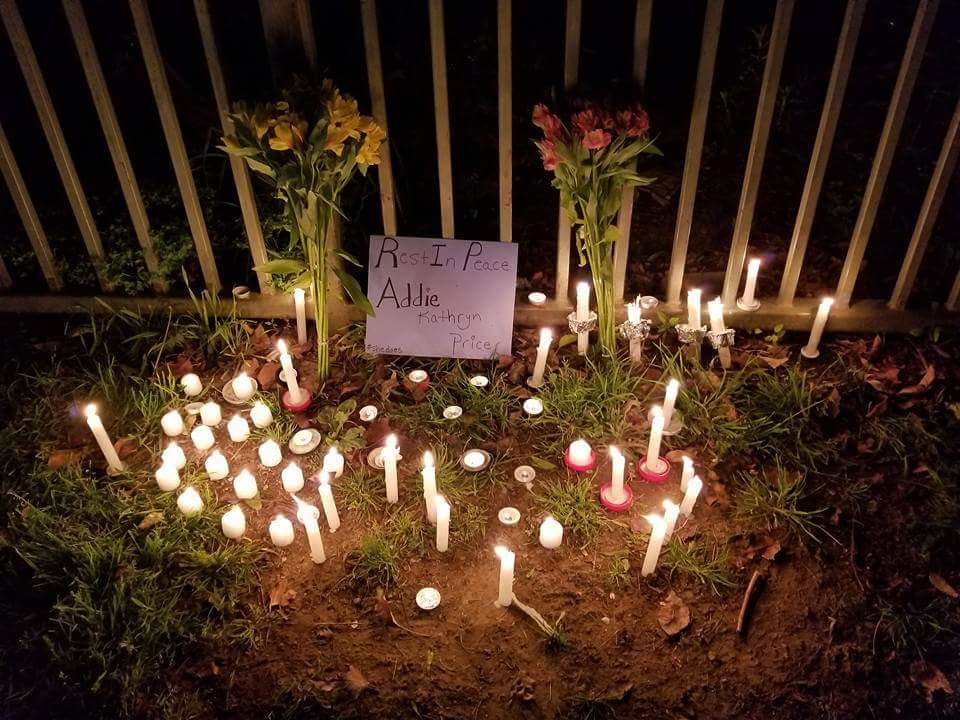
And as I prepare for this year’s Solstice, I have been noticing the many distractions that surface in my mind’s eye. More than other times, I find myself spending a considerable amount of energy protecting my space – my mental, physical, and spiritual composition that makes me, me. Some of these distractions are internal (e.g., does the laundry need to be done? Does anyone else see those dust bunnies behind the bookcase? Maybe I should reorganize my closet? Should I attend that zoom meeting although my body hurts and I am tired?); and some distractions are external as the world around me counters the energy of this Northern hemisphere season of darkness to “push through” as if sitting still will erase one’s presence and all of their previous contributions from the collective memory.
As a test – count how many emails received after Thanksgiving through the New Year – are asking you to do something (e.g.; give, act, attend, host, join) compared to supporting your being where one simply says – thinking of you and holding thoughts for your greatest wellbeing.

Why is slowing down important? Because when we do not take time to pause, reflect, turn off the ego – we may push forward harm – to ourselves, to those seeking to support us, to those we seek to serve. It is painful when I enter conversations with siblings navigating homelessness services who speak of the trauma caused not from being on the streets – but the rules, demands, treatment, tone, and undelivered promises of our homeless response system. These are the harms that we unintentionally create when we do not take the time to care for ourselves. The old adage – hurt people hurt people – is true.
When we – the policymakers, service providers, system navigators, advocates, funders, enforcers, responders, peers – fail to pause, we often enter into auto-pilot where we lost our creative spark or joy in the work; or we may focus on things that we think we control like numbers (e.g.; How many attended? How many served? How many donated? How many housed? How many passed?) – numbing the complexity and frustrations of the crisis we are seeking to address and creating a dehumanizing effect on ourselves, the stories behind the numbers we share, and the people in need of the support we seek to offer. How many times have we heard – that [fill in the blank] event, agency, person – made me feel like a number, an act violating potential trust.
The late Paulo Freire stated, “functionally, oppression is domesticating. To no longer be prey to its force, one must emerge from it and turn upon it. This can be done only by means of the praxis: reflection and action upon the world in order to transform it.”
Through the racial reckoning of 2020 – we collectively learned about white supremacy culture and the internalization of production as a means of relevance and being seen; Privileging “doing” over “being.”
And yet in more indigenous practices – especially in traditional Black culture – we understand that time, relationship building, dialogue, collaboration, stillness and reflection create life affirming and sustainable pathways towards solutions that best uplift and protect our communities. Over my life, I have spent time in the South – and even later when I lived in Philadelphia – it was not uncommon to see older aunties and uncles sitting on the porch – quiet, saying only a few words or raised hand to passer-byers. Or how many people have an older adult or old soul in their life who hums? As they work, tapping into the vibrational knowing of sound.
What wisdom came to them through those moments of reflection? How was it passed on to our benefit? Growing up, chopping up something – celery, onion, bell peppers – around the kitchen table listening to the women in my family and occasional male relative passing through to sample the cooking – is how I learned so much about our family history and approaches to life through stories. Now we have book clubs and FB groups and line dance classes and I guess TicTok (for now) where life hacks are shared. But how do we do we listen with intention and not how we will take the moment to speak? How can we age cultivating the quality of wisdom of those who came before us and out of the mouths of babes (before society conforms them), especially as we prepare to enter a time of unpredictable change and divisiveness?
Let me be clear – my message on reflection is not an excuse to delay urgency. We are in a growing and deepening human crisis. It is more the quiet before a battle – where before you suit up in armored clothing – we take time to rest and clear our minds, understand our mission, release the messaging from the critic inside our heads that we are not enough, or we are damaged. We dream and see ourselves in the world that we are fighting for – and yes – dreaming requires safety – but even if it is in the crack of a 5-minute walk from here to there – we must dream to sustain the vibrancy of our souls and the liberations of our placement on this earth. If a person does not carry their own dreams – they are susceptible to being the slave of others who project their desires upon them. We are free.

In conclusion – I ask that we move forward in this gathering with the confidence that we hold the knowledge on ending homelessness, especially in SPA 6. And tomorrow –with the oncoming of Measure A and other resources – we will advocate for funding for our solutions. But on today, I challenge you to look in the proverbial mirror and ask yourself the following questions:
- How have I mourned the collective grief from witnessing human suffering?
- Where does the wound of homelessness sit within me?
- What steps have I taken to heal this wound?
- Who am I surrounded by when even through the toughest of circumstances –I hear their name and feel joy? safe? seen?
- What are the unique gifts, talents, and contributions that I bring to the work?
- What is one action step that I can take to lean into stillness in this darkened season? (e.g. bake cookies, write notes in Christmas cards, go for a walk, sit in a park, make dinner with a friend you have been wanting to catch up with, sleep in)
Up to five to six siblings who experienced houselessness have transitioned from this life each day this year, representing nearly 2500 people in Los Angeles alone. In my tradition of Ifá, we call them Ancestors. May we uplift their names – even if we do not know them. May we honor their time on this earth – by committing to homelessness no more. May we reflect on our own lives and live in such a way that others will remember us and speak our name when we are here no longer.

12/19/24
 Alisa's thoughts on Beloved Communities