Go into the storm daughter. Go into the winds. Find your safe house – the tower of your dreams, the cabinet filled with your medicine.
Don’t fret the storms daughter. The winds and rains and lightening across the night sky are necessary to keep movement; to stir the stagnate, to toil the earth and pollinate the seeds of life, of future.
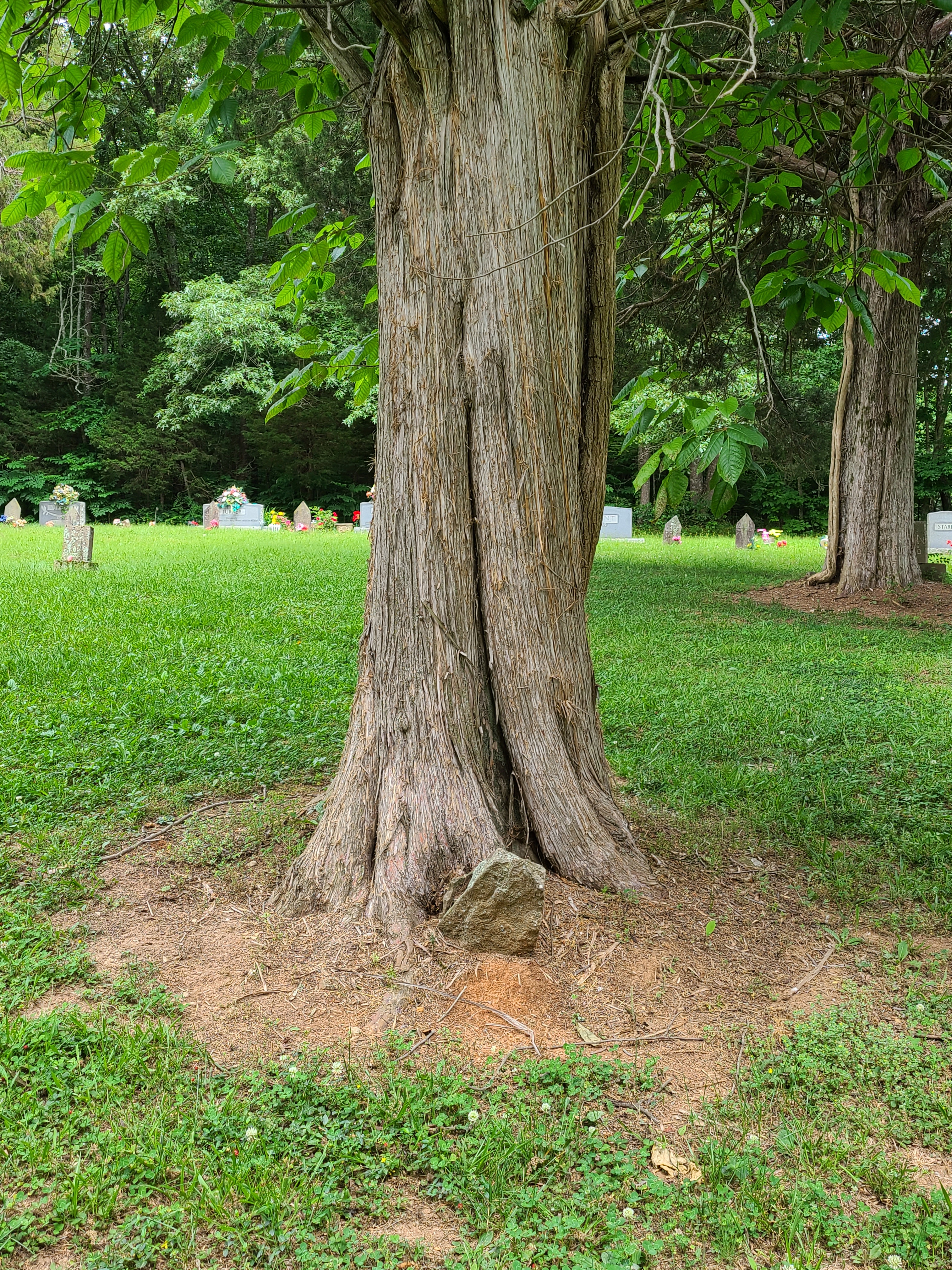
Dance into the storms daughter. Feel the roots beneath your feet. Touch the earth skin and move across the spot where the Mothers have outlined your sacred space for you and you alone. Do not be moved. You are protected. Do not be shaken, you are loved. You are anointed with your own unique crown.
Smiths Grove, Kentucky
Embrace the storms daughter. You are not alone. Your Grandmothers are dancing with you throughout the circle of life.
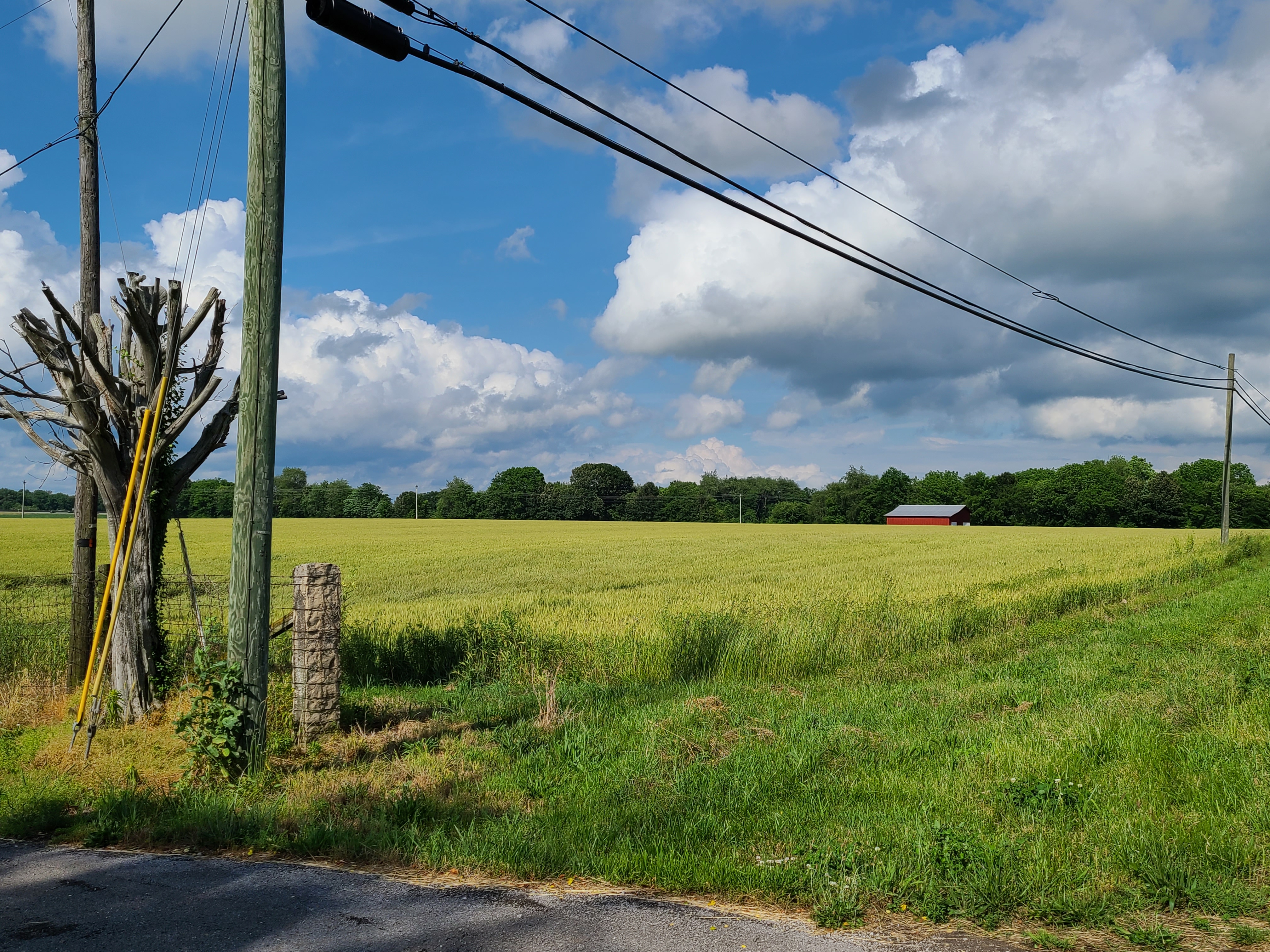
Clarksville, Tennessee, the afternoon after the storm
Finding solace and resonation in the words of Frank Wilderson III’s Afropessimism, I awoke this morning trying to recapture my twilight thoughts on the difference of White Northern (Western, Progressive, Liberal, Radical Leftist, Socialist) and Southern (Moderate, Conservative, AltRight) cultures that I was too tired to write last night as I drifted off to sleep.
I am in Clarksville, Tennessee. A town of goddesses that I met attending an annual Memorial Day Retreat called Sacred Waters. Clarksville is north of where my maternal Tennessee roots are located, but a place where I am seriously thinking of relocating. There is peace, and the NAACP, and a Delta Alumni Chapter. I am at that point in life where I have less years ahead than behind, and as I age I realize the importance of being in close proximity (no more than an hour plane ride) to close friends and extended family.
I often hide behind my mid-western roots – Omaha/Chicago- the places where my parents were born and spent many of summers growing up. But truth-be told, it is only a rouse, a safe zone, one-degree north or so of the Mason Dixon line and a badge of courage that my family “escaped” the grasp of Dixie Culture that legalized their ‘Being’ as the perpetual property of others for eternity.
Now, I feel the gentle wind of the ancestors calling me back to the land that they poured their prayers into for over 200+ years.
My ancestral roots are planted in tobacco, wheat, corn, and cotton on the plantations of triangle south – Kentucky, Tennessee, and Mississippi. Although most of my ancestral bones have been plowed over in the fields, it is this blood that runs through me. It is even in my inherited freckled, wrinkled, large hands that have toiled the lands I write from, and the DNA memories that generated the backbone of this nation’s agricultural economy positioning its dominance in the world (at least up into the end of the last century).
So here I am. A daughter returned, to seek understanding of the past, heal a broken link, pay the karmic debt so future generations can be spiritually and psychologically free from the race burden. At this crossroads moment, I imagine standing on the Indian mounds seeing in all directions, waiting for the tornado winds of Oya to bring sudden change; creating chaos out of calm, and prepared to see whatever is unearthed that was hidden in the fields in the name of progress. There are missing pieces of my story of being and I am determined to find them, to feel whole.
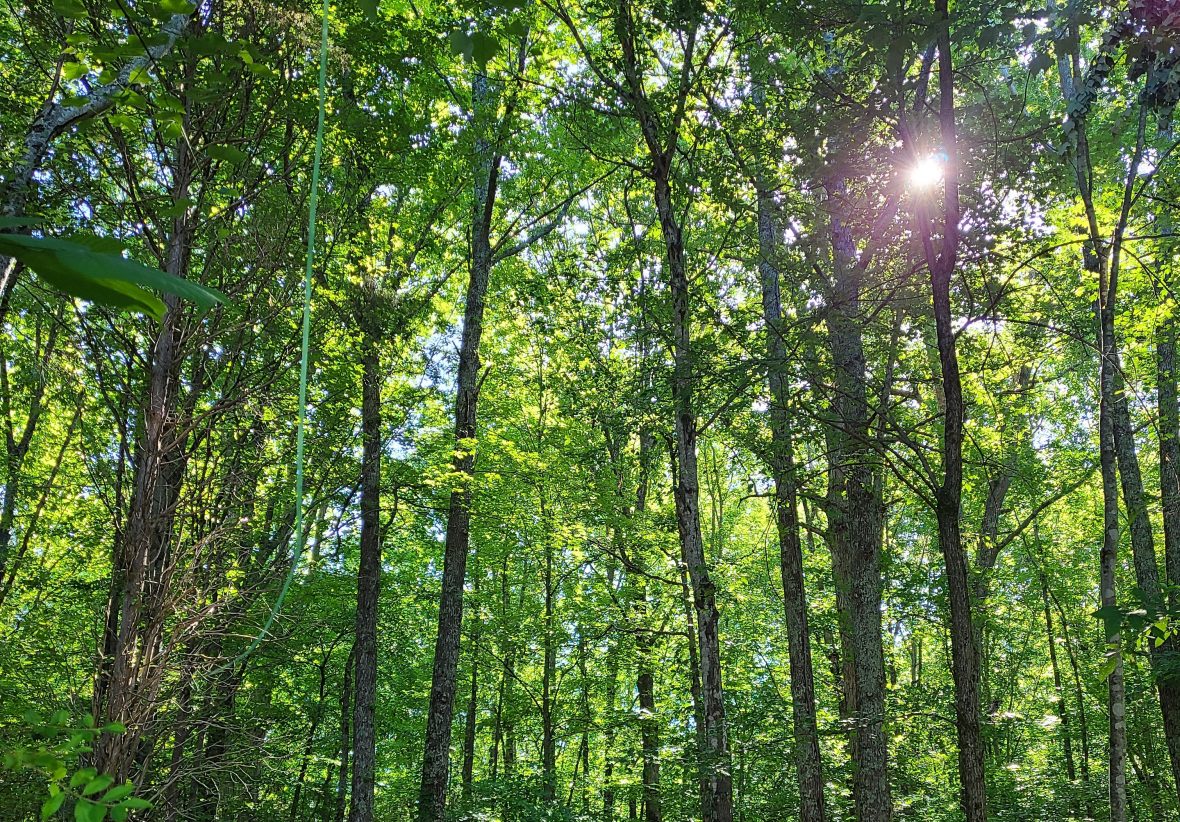
With feet back on the floor, as I prepared the Keurig (I miss my old skool coffee pot) for my morning cup of coffee I look out the kitchen window of my airBNB and stare through the cracks of light of the white mini-blinds into the rich tapestries of greens composing a small docile forest in the back yard for inspiration.
I am still halfway processing my trip to Kentucky a few days earlier, where I went to witness the community my great, great, great grandmother Mary, my great grandmother Bessie’s Mother, lived enslaved, the land she toiled, the place where she met her husband and had 12 children, and disappointingly searched for the place where she died (could not find her grave). My guide that day was a local, a White historian who knew so much about my family because he understood the culture as his family had owned slaves. It was a day of contradictions – of learning, of disgust, or heartfelt connection to distant relatives whose spirits still walked the land.
In search of her story, I pierced a veil into the greater culture she lived through outside of the safe confines of her home and family. The boards that constructed the framing of Whiteness in the stream of consciousness of the Mid-Southerner’s imagination provided new understanding of the greater shared beliefs of this mytho-narrative that so many call the culture of white supremacy.
First, I heard in the storytelling of family roots, genealogy begins at the moment of contact on this land, a rebirthed of identity and sudden amnesia of any ties to any place other than here.
Next, the pedestal of their ontological narrative base social status and hierarchy based on property ownership (land, animals, slaved –social death non-humans), including only allowing fellow property owners to participate in the rule-making.
Finally, American culture is composed of 1 race – Blackness. Whiteness is universal, divine. Blackness is the mirror that allows Whiteness to exist; the Black flesh the pedestal of which the White micro-world stands.
In the midst of this experience, I formally graduated from Pacifica Graduate Institute with my PhD. Dr. Bayo Akomolafe was our graduation keynote speaker. Dr. Bayo asked, “what does it mean to graduate at the end of the world when what it means to be human is not understood?” He then referenced the book Afropessimism by Wilderson. While killing time before I could check into the AirBnB, I visited a local bookstore where I found Wilderson’s book. For the past two nights, I have not been able to put it down, with his personal narrative style and critical theorist approach appealing to all of my senses.
Wilderson’s work and Bayo’s questions helped frame the emotions I was processing from my visit South way to begin to reconcile them with this deep longing to “return” here to establish a home as a base to live out the second act of life (I will be 50 next year).
So in my own way of processing live events and in integrating the learning from these two scholars, I pondered questions around finding a place for Blackness amidst the conversations of whites as the sudden attention on racial equity and justice seems to be focusing on. Is there such a space? Or are we delaying, diverting, and distracting from the work of forging our own path of liberation by participating in promises of transformative change? Am I too an Afropessimist?
To test it out, I reflected on my experiences of Northern and Southern White cultures.
In my experience in Northern cities as diverse as Boston, D.C., New York, Los Angeles, Santa Monica, Pasadena . . . liberal white culture is constructed based on an imagined society that performs certain stated values and principals like equity, tolerance, social justice, but is wedded to illuminating them through the colored lens that spotlights them and their good deeds. Many liberal careers (writers, arts, nonprofits, academics) are made off of the suffering and continued subjugation of Black, Indigenous, and People of Color suffering. Exceptional Blacks are allowed to speak-back in structured spaces like a fundraiser dinner or before a policy body in advocacy of legislation that will help or hurt the White middle class.
Like 1950’s tin soldier figurines, the non-White others AND Blacks, are strategically placed like landscape ornaments to appear as if they have achieved utopian success – an imagined micro-world that makes them feel good, righteous, safe, and in control.
Concurrently, I surmise that Southern conservative white culture lives off the harvest planted in the realized dream of the American Revolution, and outlined in the expansive image of Manifest Destiny painted across the Western landscape (that being west of the Appalachian mountain range).
The place of the “Other” is understood in the social hierarchy of their world – “the way things are”- without any critical moral assessment on if the concept of freedom exists for non-Whites. Instead, the Black others is an eternal servant and mirror to the Southern White of his perceived social position.
The Other Non-Black is a perpetual foreigner amongst the Brotherhood of Whiteness. It doesn’t matter if his lineage in the US is older than the date his place became a state; the intensity of his service to the building of the nation (like mining or placement of railway lines); the amount of blood spilled in honor of American ideas in world wars; nor even if at some point of entry, he was allowed to claim “white” on his port-of-entry documents. He is an unknown in this micro-world and held at the margins with a promise, but always just out-of-reach of full acceptance.
These rigid social classes are not the White Southerner’s fault. He simply is fulfilling the operational plan of the Constitution that the God-like fathers designed in the founding of this experimental micro-world. As descendants, they simply are valiantly defending the ideas of their ancestor.
I guess I am an Afropessimist. I have no faith that Black liberation will come out of debates between Northerners and Southerners whose dialogue is rooted in a shared agreement of Whiteness. From those who cashed in memory of European ancestry for perpetual positioning at the top of the American social hierarchy in exchange for a lifetime commitment to the protection of its privileges.
Like a Charley Brown movie, arising out of the speeches for racial justice in capitol chambers everywhere, I hear womp, womp, as cousins code switch words seeking to still answer Jefferson’s question in Notes on the State of Virginia, “what to do with the Negro” especially when they continue to claim a right to be?
I now can return South, Mid-South, Midwest with clear conscious. I do not need to be burden by the politics of Whites, just understand enough for safety and protection. Just as Whiteness is a construct of a micro-world, with true knowledge of self, ancestral roots, and deep spirituality, I too can construct the world I choose to live in no matter where it is. I can be cautious, but not live in fear. I can know the stories of history and still meet people on their own merit just as I want to be met. I can be, I can be, I can be.
I admit that I am a little anxious about this calling back home after being gone for two generations. But being the woman standing on the open plain – perhaps in a hip-high field of golden wheat – I stand with eyes and heart open – ready to surrender to the rainbow winds of sudden change that the goddess Oya is whispering; I just ask with grace and ease.
My advice to those on their own path of Black liberation: Learn your history from your family; Explore the places where you have roots and listen in to the stories they tell; Discern; Open your heart. Seek your life purpose and resist the comfort in the role others have positioned you in for their self-gain.
 Alisa's thoughts on Beloved Communities